


 A recent study out of University College London confirmed a very strong connection between social media use and depressive symptoms in teenagers. And this connection was much stronger in girls than in boys. (This does not mean that social media causes depression -- it just means that we know that children who use more social media have more depressive symptoms. More research needs to be done to figure out the reason behind this.)
The researchers looked at four explanations for why this might be. Poor sleep, online harassment, poor self-esteem, and poor body image all played a role.
My mind’s eye went immediately to my three wonderful, intelligent, strong and independent daughters, and to the social media apps that are such an integral part of their lives. My 15-year-old texts and video-chats with her friends through Snapchat, FaceTime and Whatsapp. My 13-year-old creates lip-syncing videos to share with her buddies via TikTok. And my 9-year-old immerses herself in a virtual zoological Animal Jam world of colorful biomes and customizable animals.
These apps provide positive experiences, such as socializing with friends, expressing emotions through creative cinematography, and learning facts about wildlife and its habitats. My little one often claims, “I’m so much better at typing now that I am using Animal Jam all the time!” Indeed, there is something to be said for the technical savvy that children are picking up as they navigate their way through social media landscapes that often baffle the older generation. If electronic communication is the way of the future, then it can be helpful to hone their digital skills at early ages.
In fact, there are a myriad of benefits to social media. The American Academy of Pediatrics lists a few: offering of opportunities for community engagement, such as political or charitable events; fostering of ideas through blogs, videos, podcasts and games; opening of doors to connect with people of diverse backgrounds in a much smaller and more interconnected global world; enhancing of learning opportunities as students gather together in group chats to work on homework or projects; and greater access to health information about topics that teens might otherwise not feel comfortable discussing with adults (such as mental or sexual health issues).
So there are pros and cons. This leaves us with so many questions. How do we parents find the balance? That sweet spot where they reap the benefits but are protected from the pitfalls? How much do we need to worry about impending depression or anxiety creeping up on them? How much time is too much time on social media? What can I do to mitigate these scary-sounding effects the devices might be having on my children?
I don’t have all the answers, but I do have some thoughts on how parents can help teens use social media thoughtfully and appropriately:
- Create screen-free zones, such as bedrooms and kitchen tables. And screen-free times such as mealtime and before bedtime. This will help reduce the amount of time kids are on their devices and allow for better quality and quantity sleep. (The devices might need to be given a “curfew” to enforce this tactic. A charging station in the kitchen or other central room can also be a good spot to park the devices for the night.)
- Open the lines of communication with your kids. Talk to them about their social media experiences. Educate them about the advantages and disadvantages. Have ongoing conversations about anything they want to talk about, and reassure them that you are the trusted adult they can turn to if/when they become mired in teenage angst.
- Keep in mind that it is not only quantity, but quality, that is important. Keep abreast of the apps your children are using, and encourage them to use social media in positive ways.
- Avoid banning, blocking or restricting your kids’ access to social media sites. This generally doesn’t work and may backfire if the forbidden fruit becomes so tempting that they simply use it behind your back.
- Be a good example to your kids. Use your own devices less! Engage with your children, and on your own, in non-screen activities. Enjoy the outdoors, read a book, play a game, do some fun activities as a family. Wax nostalgic for the days of yore when smartphones didn’t exist but people still knew how to enjoy!
My three girls are living in the wild west of cyberspace, with a frontier that is open to exploration. I hope that I can help guide them to that sweet spot of not-too-much and not-too-little, so that they enjoy the positive without enduring the negative along the way.
Elana Pearl Ben-Joseph, MD, is a visiting scholar with the Youth, Media & Wellbeing Research Lab at the Wellesley Centers for Women. She is also a pediatrician and chief medical and scientific editor at Unbiased Science.
 Video games are on my mind these days. Especially violent ones, like Call of Duty or Grand Theft Auto. But special recognition goes to
 We have waited too long! In 1994, governments agreed to an ambitious
  In September 2025, I began working with Associate Research Scientist
  Early childhood education isn’t just a job for me—it’s been my life’s work for over 20 years. I began in this field as an infant teacher, and those early years in the classroom shaped my understanding of what high-quality early learning can truly look like. That time in the classroom also sparked a deeper commitment: to support educators themselves so they can uplift children and families every day.
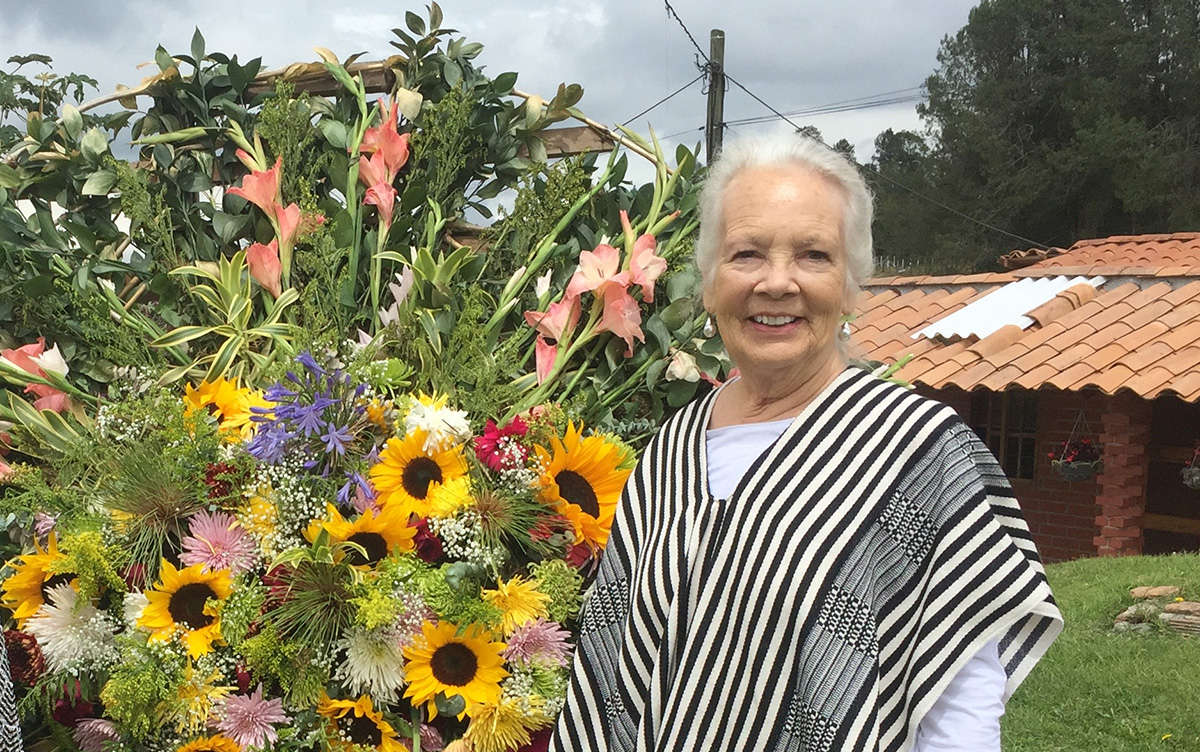 Close to half a century has passed since I lived in
  But as much as I believed in my work and as much as I loved Colombia—the food, the people, the mountains, majestic and ever changing as clouds and sun played hide and seek—I realized Amy’s physical and developmental challenges required medical care and educational programs unavailable in Colombia. Amy and I left. I was unsure if I would ever return.
 ote for me. One of the bits of information our guide mentioned as we passed a large public school was that schools were now required to teach sex education to students starting in the early grades. Recalling the opposition our sex education project had encountered years before, I asked if the requirement was enforced or merely a regulation on the books. He smiled. “Well, Senora, I can’t speak for the entire country, but certainly in the big cities and towns it is a regular part of the educational program. The law was passed in 1994.”
 A spectacular
  all interested in medicine,” we asked. “No, I’m going to study psychology,” another replied.
 When I first came across

 As a developmental psychologist who works from an
  Dear Friends of WCW:
 This article was posted by Amy Banks, M.D., on June 19, 2018 in her Wired for Love blog on Psychology Today.
 This article was posted by Amy Banks, M.D., on September 18, 2018 in her Wired for Love blog on Psychology Today.
 This
This  Emily Style’s beautiful phrase “curriculum as window and mirror” has had an enormous impact on my work as a teacher and teacher educator over the last 30 years. Other proponents of multicultural education have, over those years, deployed many more words to assert what curriculum ought to be and do. Emily’s lyrical imagery is testament to her skills as both poet and educational theorist. And, generations of teachers are all the better for having taken these words to heart as they consider the choices they make in responding to the students in their classrooms.

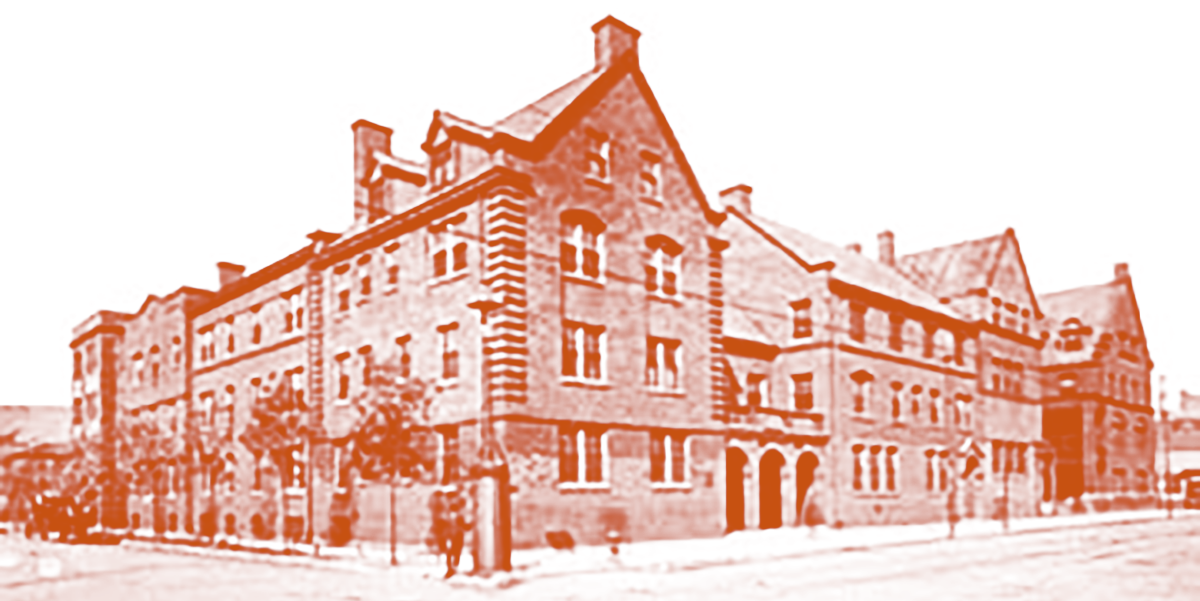 As a country we seem to be moving far away from the nurturing and sustaining activity of the settlement houses of our past. The first settlement house, established in New York City’s Lower East Side – Neighborhood Guild – was founded by Stanton Coit, and just a few years later came Hull House in Chicago, materializing through the passionate vision of Jane Addams. Settlement houses were the cornerstone of communities as they over time took on the task of educating citizens, providing English language classes for immigrants, organizing employment connections, and offering enrichment and recreation opportunities to all in the neighborhood. A most significant beginning to the current child and youth development field, settlement houses provided childcare services for the children of working mothers. The Immigrants’ Protective League, The Juvenile Protective Association, The Institute for Juvenile Research, The Federal Children’s Bureau, along with Child Labor Laws can all trace back to the persistent national

 Nan Stein
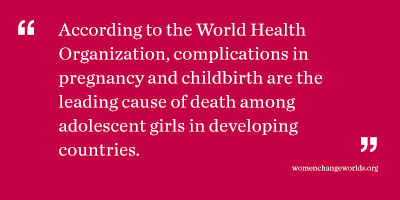 services to women and girls who need them. What our clinic staff has seen firsthand is that blocking access to abortion and comprehensive reproductive health care doesn’t stop them from being needed, or even stop them from happening — it just keeps them from being safe. Due in large part to extensive abortion bans throughout the region, 95% of abortions in Latin America are performed in unsafe conditions that threaten the health and lives of women.
 In the mid-1970s, Stanford-based psychologist
 The story of
  capital. It was witnessing homelessness in her city that inspired her to figure out how she and her family could make a real difference, and her “power of half” principle has since become a movement.
 As an integral creative spirit within the Black Arts Movement of the late 1960s and early 1970s, Dr. Angelou’s works of autobiography then poetry helped lay the foundation for Black women’s literature and literary studies, as well as Black feminist and womanist activism today. By laying bare her story, she made it possible to talk publicly and politically about many women’s issues that we now address through organized social movements – rape, incest, child sexual abuse, commercial sexual exploitation, domestic violence, and intimate partner violence. Through the acknowledgement of lesbianism in her writings as well as her public friendship with Black gay writer and activist James Baldwin, she helped shift America’s ability to envision and enact civil rights advances for the LGBTQ community. And the time she spent in Ghana during the early 1960s (where she met W.E.B. DuBois and made friends with Malcolm X, among others), helped Americans of all colors draw connections between the civil rights and Black Power movements in the U.S. and the decolonial independence and Pan-African movements of Africa and the diaspora.

 But how do recruiters on the front-end value a varsity credential? Does sports participation in college, for example, offer access to enter a corporate career?
 director of the Women’s Law Project, who was honored by the
 According to Benard, “we are all born with innate resiliency, with the capacity to develop the traits commonly found in resilient survivors: social competence (responsiveness, cultural flexibility, empathy, caring, communication skills, and a sense of humor); problem-solving (planning, help-seeking, critical and creative thinking); autonomy (sense of identity, self-efficacy, self-awareness, task-mastery, and adaptive distancing from negative messages and conditions); and a sense of purpose and belief in a bright future (goal direction, educational aspirations, optimism, faith, and spiritual connectedness)” (Benard, 1991).
 A few years ago my daughter, while in college in Connecticut, invited me to a community gathering she helped organize on
 As Massachusetts reels from
  The technological world is all around us and developing at a speed that is impossible to keep up with. Adolescents are now more connected to technology than ever before and face both opportunities and obstacles online. Learning to use technology is similar to learning how to drive a car; there are risks involved, and drivers need to learn certain rules and receive gentle guidance before driving on their own. Parents in both scenarios should be in the passenger seat next to their child: setting boundaries, but giving their child the autonomy to eventually thrive on their own. It’s easy to be afraid of the unknown in the digital world, but parental involvement is essential.
 As Father’s Day approaches, many of us are thinking about the role that fathers play in our lives—whether they are our own fathers, our spouses, our relatives, our children. I spend more time than the average person thinking about the role that fathers play. Specifically, I study the conversations they have (or in many cases, don’t have) with their teenage children about sex and relationships, and the effects these conversations have on their teens’ health.
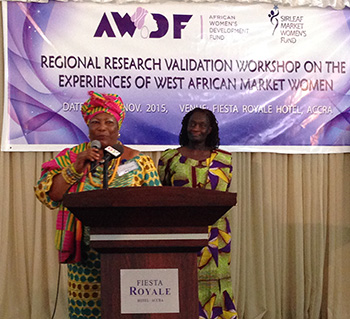
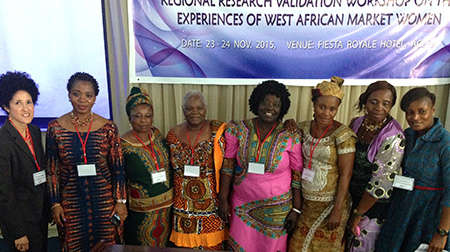
 market women organizations, with a special focus on gender parity in leadership. Although women are, by far, the largest proportion of marketers and traders, often it is the few men who are afforded positions of leadership that allow them to engage with policymakers. The market women who participated in our study would like to see women’s voices rise to the top and for women’s leadership to be recognized with top-level posts. Additionally, they indicated that the time might be right for a West Africa-wide market women’s organization that allowed market women from different countries to network, share best practices, and shape policy that affects them. Many touted the Sirleaf Market Women’s Fund as a good example of a multi-constituency organization that has raised the visibility of market women’s issues at the same time as it has brought different stakeholders together for a common cause, and they imagined this model growing from its roots in Liberia to other countries. Additionally, the pivotal roles of the African Women’s Development Fund, UN Women, and Ford, all of which have provided funding for market women’s issues and related actions, were lauded as model donors.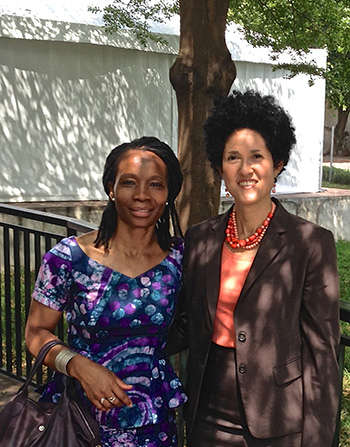

 What better place to foster a love of reading and engage children in a variety of literacy activities than in out-of-school time (OST) programs? Research shows that OST programs can support the development of and excitement about literacy in a setting where children feel comfortable.
 Beginning in the mid-1990s, with my colleague, Benjamin E. Saunders, Ph.D., of the Medical University of South Carolina, and a team of researchers, I conducted an
  Last year, the U.S. Surgeon General
 With a collection of government stamps in hand, I now needed to secure the tribal backing for the project. Government approval merely made my NGO official, but without the tribal endorsement, my effort to educate girls would be just another import with a short shelf life.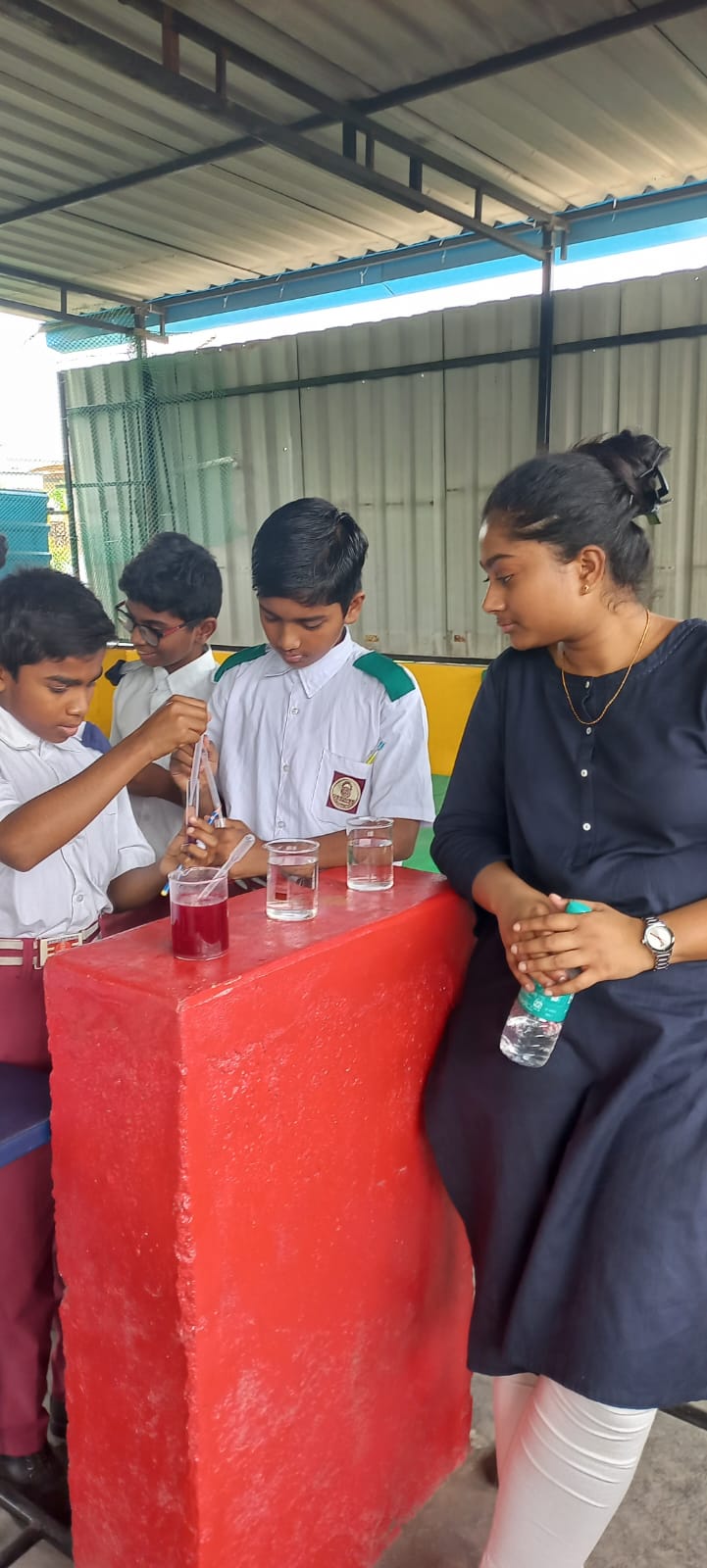
 This week, the
 Below is an excerpt by Betsy Nordell, Ed.D., a NIOST master observer, from the book
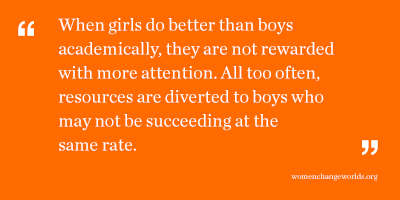 institutional changes. Until then, it is largely up to mentors to influence the capable and powerful young women who may otherwise slip through the (huge) cracks.
 About 20 tweens pile into the unassuming studio space of their ballet school in mid-July. There are no frills here. The waiting area is small and a bit disheveled; the cinder block building has seen its share of life. But look closer: there’s magic inside.