

This article, by Susan McGee Bailey, was originally published on the Girl W/ Pen blog on March 20, 2015.
“Fighting for women’s equality is an arduous but necessary process, ploddingly pursued by dedicated women and men who refuse to accept a lesser role for women in society.” Jean Hardisty (1945-2015)
March is Women’s History Month, but the history being made in the U.S. is far from uplifting. Women continue to be an easy batting ball for political impasses. We continue to struggle for basics readily available in most other developed nations: e.g. paid family and sick leave, adequate childcare, health and reproductive rights. As an antidote to setbacks in this country—where we seem to be in the two-steps-back phase of the old ‘three steps forward, two steps back’ adage—I’ve looked at reports released in conjunction with this month’s 59th Session of the UN Commission on the Status of Women (CSW). There are some encouraging signs. But progress is slow, uneven; the struggle for women’s rights and equality is far from over. Nevertheless, celebrating positive accomplishments can provide motivation needed to keep us all plodding ahead, no matter how soggy the road. Jean Hardisty knew better than anyone how critical plodding along is. For all of us around the country—and in various corners of the world— who knew Jean as a beloved colleague, mentor and leader in the battle for human rights and justice, there is no better way to honor her life and her work than to keep on plodding.
So, some good news gleaned from reports on progress for women since the 1995 United Nations Conference on Women in Beijing:
- The global rate of maternal deaths in childbirth has dropped by over 40 percent;
- Adolescent births have fallen by more than 30 percent;
- Many countries have made significant gains in girls’ education, particularly at the primary school level;
- And people everywhere are paying more attention to gender gaps in access and opportunities on everything from health services and education to leadership, employment, and earnings.
Sadly, for almost every positive statement one can make, there is a ‘but’. And some ‘buts’ are so overwhelming it seems pointless to mention the positive. For example, awareness of violence against women has grown, but the violence itself has not lessened. A third of the world’s women have experienced physical or sexual violence. It is estimated that the number of girls among trafficking victims has increased by more than ten percent in the past seven years.
The Beijing meetings two decades ago were electrifying. A total of 17,000 women and men from 189 countries attended the official Fourth United Nations Conference on Women. Another 30,000 took part in the parallel NGO Forum held outside the capital in Huairou. We returned to our homes around the globe committed to doing whatever we could, both individually and collectively, to implement the Beijing Platform for Action. Many of those unable to attend the meetings in China were eager partners. In country after country, women and men worked together to ensure the "full and equal participation of women in political, civil, economic, social, and cultural life."
But the transformative promise of the Beijing Platform for Action has not yet been fulfilled. The Platform was a call for a change in focus from women to gender. A call for recognizing that the structure of society and relationships between women and men must be rethought if women are to be fully empowered as equal partners with men. The Platform affirmed that women’s rights are human rights, that gender equality benefits everyone. In retrospect these called for changes in thinking and action were exceedingly ambitious given the ten-year time frame originally stated. Even after 20 years we have not succeeded. But ambitious goals generate ambitious plans, and ambitious plans are required to sustain commitment, passion, and determined action.
As the Women’s Rights Caucus stated last week in response to the draft declaration from CSW: “At a time when urgent action is needed to fully realize gender equality, the human rights and empowerment of women and girls, we need renewed commitment, a heightened level of ambition, real resources, and accountability.” Some UN member states may not share this perspective. Nations that do must speak loudly. Within a few days over seven hundred and 50 organizations had signed the caucus statement. NGOs representing women from all parts of the world and all strata of society must push, and push hard to ensure that the spirit as well as the letter of the Beijing Platform is carried forward.
None of this work is easy. Much of it is unpopular in certain circles. But we have pushed and plodded our way this far. A 40 percent decline in maternal morbidity is a major step forward. The progress in access to primary education for girls is impressive. Many more huge steps await. We have done it before; we can do it again. And again, and again, and again!
Susan McGee Bailey, Ph.D. served as Executive Director of the Wellesley Centers for Women and a Professor of Women’s & Gender Studies and Education at Wellesley College for 25 years. She attended the Fourth World Conference on Women in Beijing.

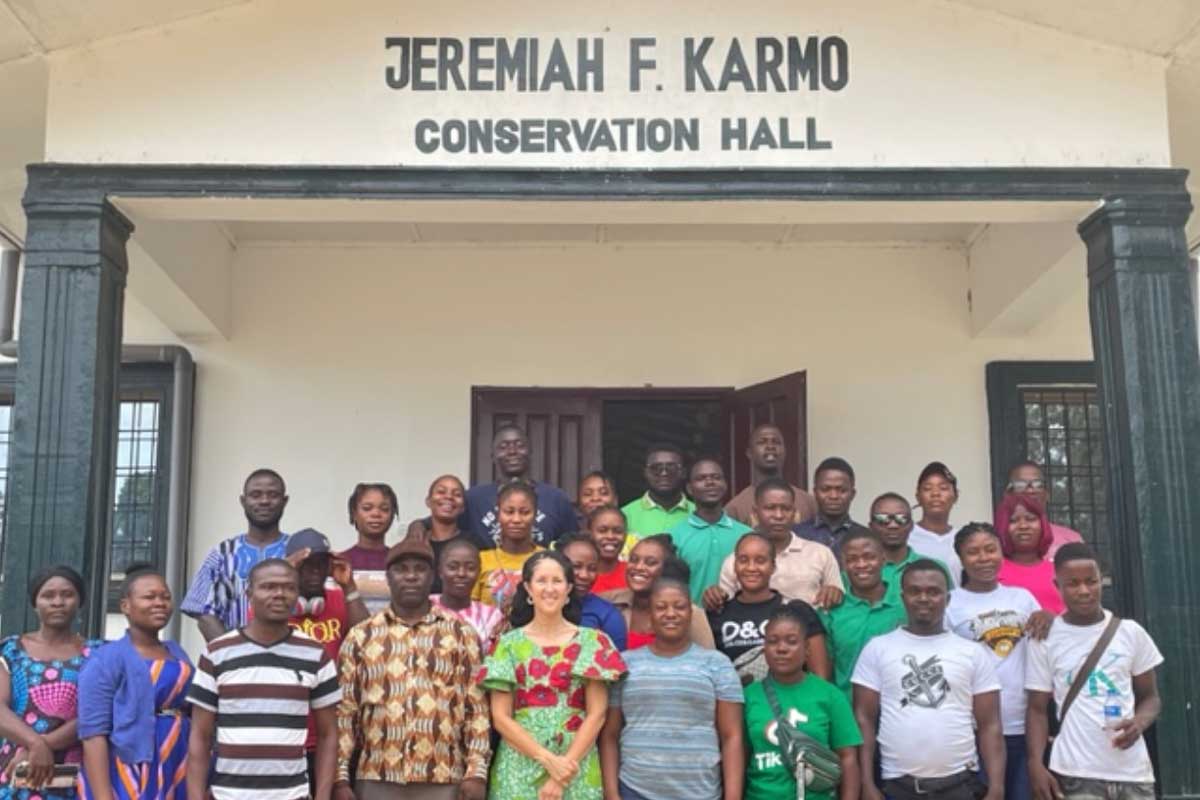

 On March 11, 2021, the House of Representatives passed a bill seeking to “create a special education scheme to support deserving students attending public tertiary institutions across Liberia. The Bill is titled “An Act to Create a Special Education Fund to Support and Sustain the Tuition Free Scheme for the University of Liberia, All Public Universities and Colleges’ Program and the Free WASSCE fess for Ninth and Twelfth Graders in Liberia, or the Weah Education Fund (WEF) for short. The bill when enacted into law, will make all public colleges and universities “tuition-free”. The passage of this bill by the Lower House has been met by mixed reactions across the country: young, old, educated, not educated, stakeholders, parents, teachers among others, have all voiced their opinions about this bill. While some are celebrating this purported huge milestone in the education sector, others are still skeptical that this bill may only increase access but not address the structural challenges within the sector. I join forces with the latter, and in this article, I discuss the quality and access concept in our education sector and why quality is important than access. I recommend urgent action to improve quality for learners in K-12.
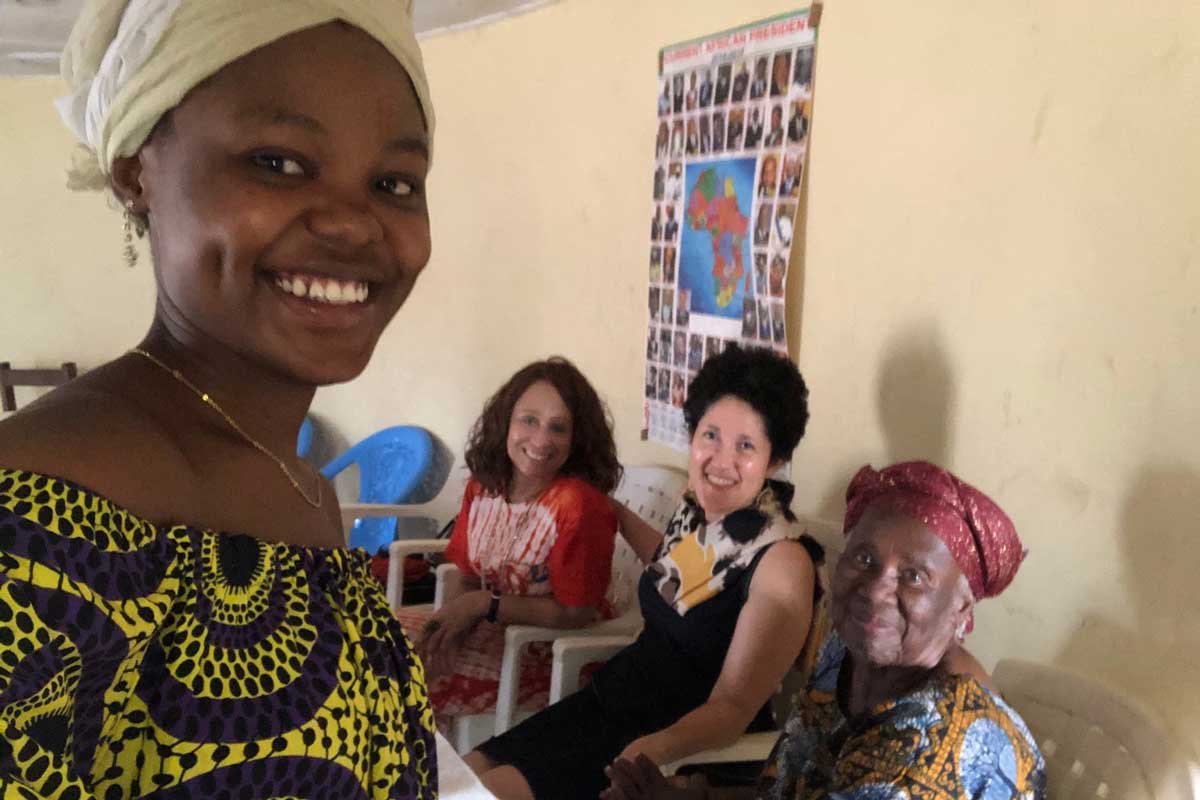 Recently I returned from Liberia, which USA Today just rated as
  Another view—one that I would like to align with the research and action of the Wellesley Centers for Women—is one that sees (and contributes to) hope, promise, and enthusiasm in and with regard to African youth and their prospects. An approach that asks African youth for their own perspectives and aspirations, one that embraces African youth and their insights and talents, and one that takes the historical, political, economic, structural, and systemic context of African youths’ lives into consideration—and, at times, challenges those—is the one I would like not only to endorse, but to operationalize. It is an approach that sees the wealth in people, not just one that sees the poverty created by their circumstances. It is also an approach that cultivates African youth leadership.
 This week, Canada launched the
