


 This article was posted by Amy Banks, M.D., on September 18, 2018 in her Wired for Love blog on Psychology Today.
A number of years ago, a 15 year-old child hung herself after repeated, prolonged bullying by a group of peers. Phoebe Prince was different, but not that different. She had recently moved from a small town in Ireland to a small town in Massachusetts. In Phoebe’s case, her difference alone may not have made her a target for bullying. She also dated a popular, senior football player when she was just a freshman. She had unknowingly crossed a social line. Accounts of the abuse Phoebe endured are painful to read, but nevertheless essential in comprehending the magnitude of the social tragedy unfolding in many communities. The perpetrators did not fit the typical stereotype of the loner from an abusive home lashing out at a vulnerable child on the playground. In fact, a number of Phoebe's peers—both boys and girls—joined an all-out attack on her using every option available. She was verbally and physically assaulted repeatedly in school and cyber-bullied on Twitter, Facebook, and with text messages after school. In addition, two young men were accused of statutory rape.
While technology allows people to connect 24/7, it also allows people to harass others night and day. Phoebe had nowhere to hide, no safe haven from her tormentors. The country was shocked and outraged by the severity of the bullying and by the fact that an innocent child had taken her own life as a result of it. As these tragic events were dissected, layers of blame were passed around freely—to the children who bullied Phoebe, the parents who raised the bullies, the teachers who may have witnessed the assaults, and the school system in charge of student safety. Certainly, when a child takes her own life, there is plenty of blame to go around.
Seth Walsh and Asher Brown are two other young people who took their own lives. In another part of our country, these two young men were relentlessly harassed by peers for allegedly being gay. Both killed themselves at 13. These three children are the tip of the iceberg. With so many similar, heartbreaking stories, we can no longer discount these episodes of bullying as isolated incidents carried out by a few rogue students. The constant stratification of human beings into "better than" and "worse than" actively pits groups and individuals against each other. In this toxic culture, any child is just a weak or immature frontal lobe away from bullying someone else. In this toxic culture, every child could be bullied.
Awareness of the devastating emotional and physical impact of bullying is a step in the right direction, but most of the focus remains on the individual bully, as if each school or playground has but one bad apple to spoil the whole bunch. The bully and the bullied exist along a continuum of disconnection and destructive relational templates constantly reinforced by society’s message of separation, individuation, and hyper-competition. Our children receive confusing mixed messages even in the most relational communities.
A child succeeds in a hyper-individualized society by focusing on what he needs, labeling other children as “other,” and using “others” as a means to get what he needs or as competition in the way of what he needs. A successful businessman and the father of an old friend of mine summarized the dog-eat-dog world of American capitalism when he warned her, “Along the way to the top you have to step on some blades of grass.” This was not a threat, but a life lesson offered as a wise tip to his beloved daughter who was following in his business footsteps. It was a loving piece of advice from a caring father, embedded in a very sick culture.
When was the last time you went a day or an hour or even a minute without judging yourself or someone else? You walk into a fundraiser at your child's school and without even thinking, you compare yourself to every person in the room. Sam is prettier than Felice, Frank runs more than Bill, Hector's house is bigger than Sally's. If this sounds like you, you are not alone. In a society built around individual success, judging is an essential relational skill. In a cooperative society, difference is an asset, but in a competitive society, difference is a threat. If you and I are different, one of us is better than the other, and the better one is more deserving of the capitalistic rewards.
Remember the controversial book written a few years ago by the “Tiger Mom,” Amy Chua? It was an extraordinary account of raising Asian American daughters. Many of my peers were appalled by her rigid, controlling parenting style. Chua banned play dates and sleepovers, tolerated no grade below an A, and enforced daily music lessons for her two girls. Is this Tiger Mom an abusive parent, or a disciplined parent grooming her daughters for success? The debate started the minute the book hit the bookshelves. In her mind, she was raising her children to be successful in American culture—and they were wildly successful! So many children today are burdened by the pressure to compete in school, sports, and music. Our kids' lives are packed with activities designed not only to keep them engaged, but also to help them “get ahead.” The cultural message is very clear: Be better than those around you. I believe the cultural pressure to be better than the rest (as opposed to being the best you can be) launches a destructive cascade of pitting people against each other. The competition reinforces separation, the separation stimulates distress, and the distress helps shape a dysregulated anterior cingulate cortex (a part of the brain activated by both physical pain and the pain from social exclusion) in everyone, not just the bullied and the bully.
IF YOU DO NOT FIT IN, YOU WILL BE LEFT OUT
Last year, a good friend’s 11-year-old son asked if he would be able to go to college and if not, if he would end up homeless. From college to homelessness, his young mind had grasped the implications of a hypercompetitive society. He had struggled in school because of a nonverbal learning disability and had just started middle school feeling the huge uptick in peer pressure. I was shocked and deeply saddened by his question. Even in my friend’s loving home, he had ingested the pervasive cultural message: If you do not fit in you will be left out.
The data is clear: being socially disconnected is not just painful; it is lethal. Because we are social beings, social exclusion stimulates our pain pathways and our stress response systems. Chronic exclusion means chronic pain which leads to chronic stress. There is an overwhelming amount of research documenting the negative effect of chronic stress on the immune system, including higher rates of illness and death from all causes. But still we socialize around hierarchy and stratification. Early on, children learn both their ABC’s and who is the smartest and who is the dumbest, who is the fastest and who is the slowest, which kids are shipped from the inner city to the suburbs for a better education and which kids can walk to the same school from their large house. Make no mistake: Extreme competitiveness is at the core of childrearing and brain-building in our successful capitalistic society.
I believe human experience is richer when differences are less dichotomized; when we focus on being differentiated from others rather than separated from others. We are not all the same, and it is in this amazing diversity of human experience that true resilience resides. If we can find ways to connect across these differences with respect and openness, the true power of connection is released. As adults, we must teach our children (and remind each other) that humans are most productive not when they are stressed out by the threat of social exclusion, but when they are cooperating and can take for granted that they belong to a larger interconnected web of people. In human networks, the whole is bigger then the sum of the parts. Whether you are on a sports team, in a family, or part of a business, you can take pride in working hard and trying your best, but it is just as important to encourage others. In life, everyone has a role and everyone is needed to succeed. In the long run, our society will be stronger when everyone is included and everyone has a well-modulated anterior cingulate cortex with strong relational memories of acceptance and inclusion.

 About 20 tweens pile into the unassuming studio space of their ballet school in mid-July. There are no frills here. The waiting area is small and a bit disheveled; the cinder block building has seen its share of life. But look closer: there’s magic inside.


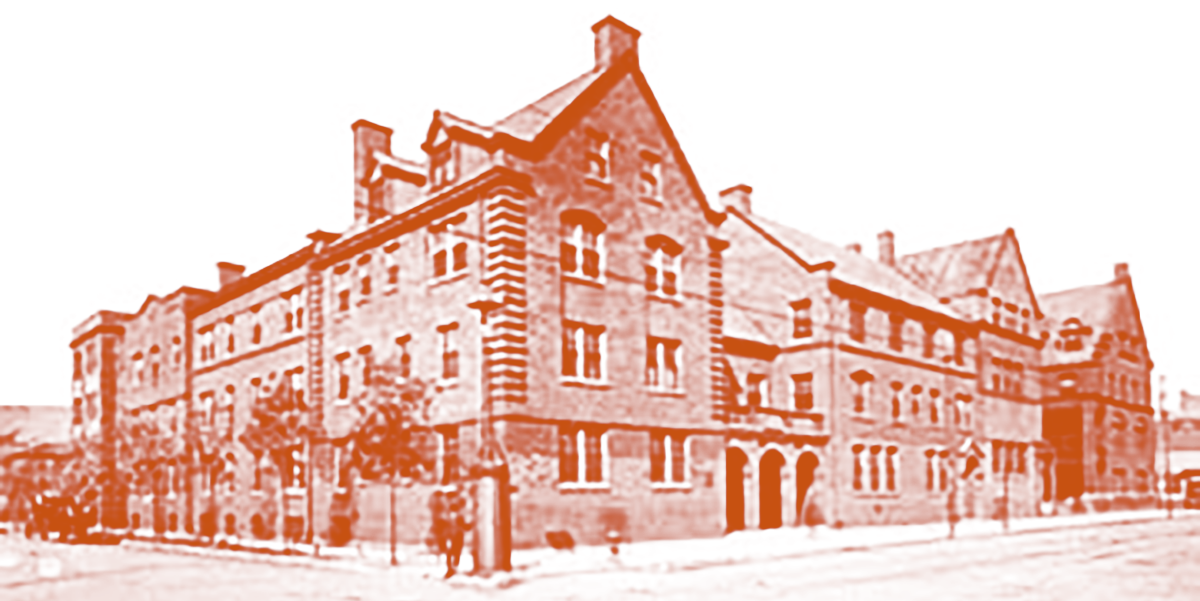 As a country we seem to be moving far away from the nurturing and sustaining activity of the settlement houses of our past. The first settlement house, established in New York City’s Lower East Side – Neighborhood Guild – was founded by Stanton Coit, and just a few years later came Hull House in Chicago, materializing through the passionate vision of Jane Addams. Settlement houses were the cornerstone of communities as they over time took on the task of educating citizens, providing English language classes for immigrants, organizing employment connections, and offering enrichment and recreation opportunities to all in the neighborhood. A most significant beginning to the current child and youth development field, settlement houses provided childcare services for the children of working mothers. The Immigrants’ Protective League, The Juvenile Protective Association, The Institute for Juvenile Research, The Federal Children’s Bureau, along with Child Labor Laws can all trace back to the persistent national
  This article was posted by Amy Banks, M.D., on June 19, 2018 in her Wired for Love blog on Psychology Today.
 We don’t live in an “either/or” world. Most non-sport institutions get this. It’s why Starbucks has unisex bathrooms, why there are forms to change your gender on government documents, why there is even a concept of “preferred pronouns.”
 Indian sprinter
 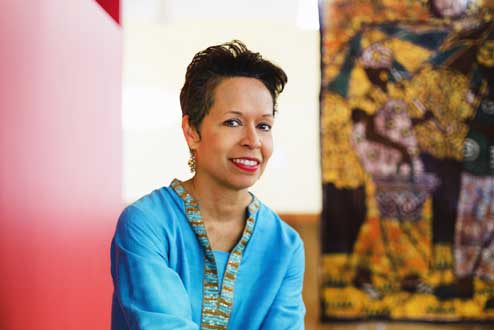 The Wellesley Centers for Women is mourning the death of Deborah Holmes, Chair of the WCW Council of Advisors and a passionate activist committed to the lives of women, people of color, equity, and social justice across the world.
 A few days ago, my eyes fell upon an online post discussing recent
  Even in this 21st Century, we have not yet come to accept that parenting is a shared component of our human condition. Every industry employs parents who are trying to balance their work obligations with their family roles. In fact, even non-parents can be called into a caregiving role, for example when their ageing parents need help. Gone are the days when a two-parent family could live on a single paycheck and when family roles were clearly divided. Therefore all of us, across gender and age, would benefit from a variety of workplace supports that accommodate our multiple roles as modern human beings.
 A message from
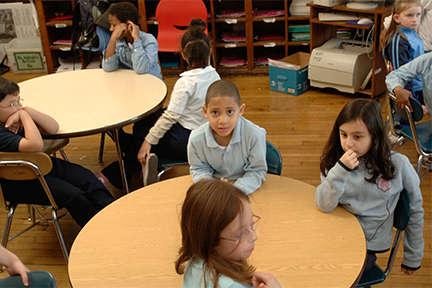
  with their own trauma history can be triggered by another traumatic event, even if it did not directly happen to them. In addition to the positive, supportive classroom climate and the social and emotional learning tools that Open Circle provides, some students may need additional time with a school psychologist or guidance counselor to help them manage their fears.
 As I reflected earlier this month on
  But the very fact that we can clearly delineate “black sports” and “white sports” is not an accident but something nurtured and presumed. If sports are more than athletic contests—if they have social, economic, and political value—we must care who gets to play.
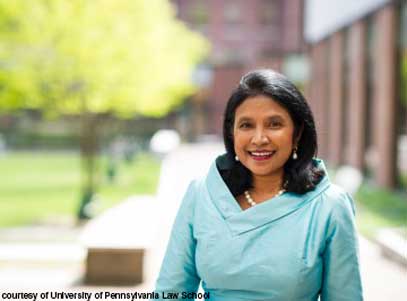 As the 62nd Session of the Commission on the Status of Women (CSW) at the United Nations in New York draws near, women from every corner of the world will convene to deliberate on the theme of CSW 2018: Challenges and Opportunities in achieving gender equality and the empowerment of rural women and girls. This year, the theme of empowerment has added significance. The #MeToo movement has shocked our collective conscience and made it impossible to ignore that empowerment goes far beyond economic agency.
 Several countries, notably Japan, have put forward “win-win” economic policies, but they ignore controversial and difficult social policies such as violence against women. This approach is similar to the nations that peddled the “Asian Values” theory in the 1990s. The better approach is to reveal the interconnectedness of women’s economic participation with equal protection of laws.
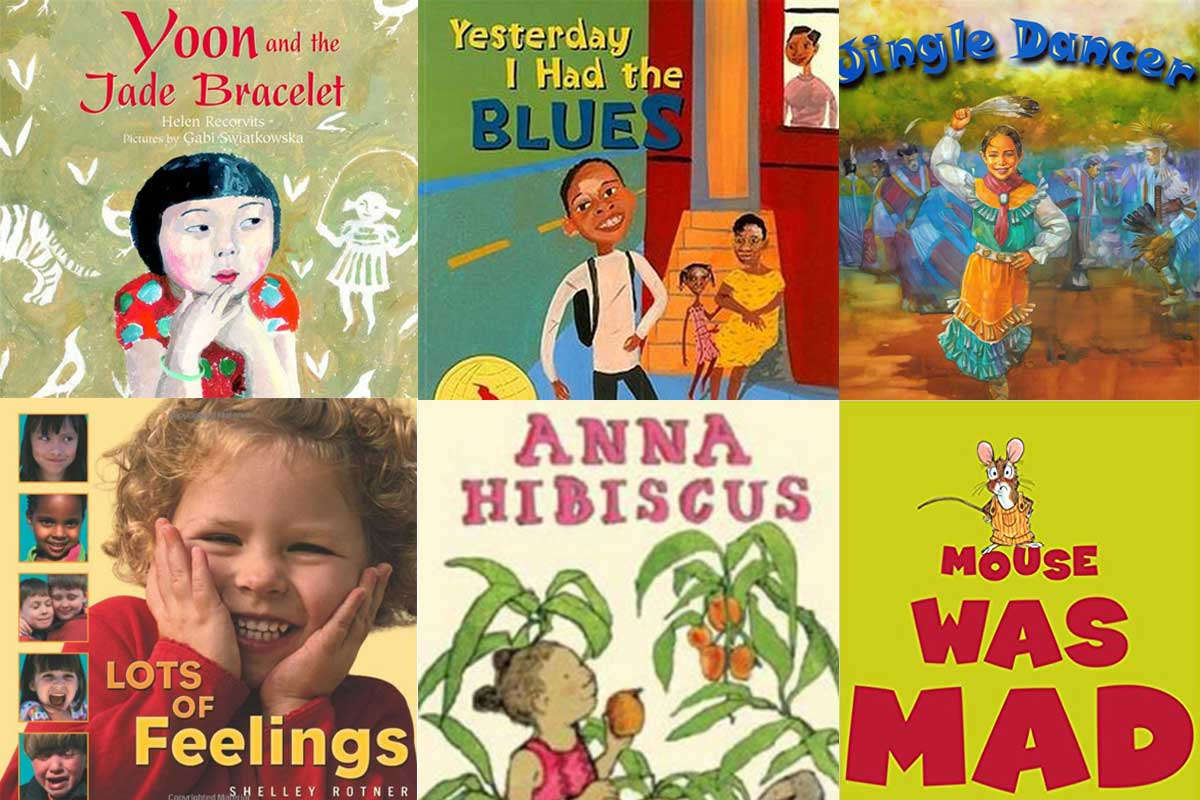 The fifth-grader’s voice was full of emotion as he shouted, “That’s not fair! What a mean thing to do!”
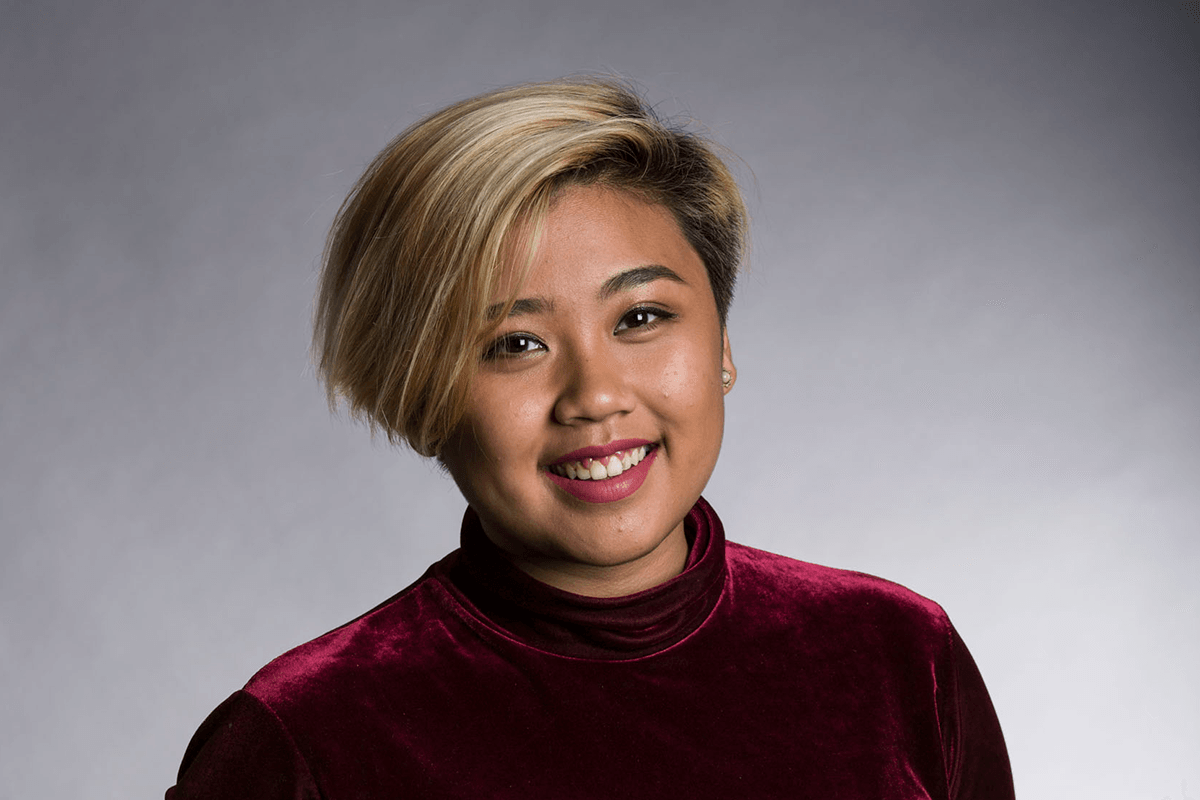 By the end of my first year at Wellesley College, I knew that I wanted to explore the world of research. I had taken the first of many gender studies courses to come, and left class with a head full of questions that I not only wanted answers to, but wanted to take a stake at answering. A stroke of luck brought me to an event for students to meet with research scientists at the Wellesley Center for Women. A stroke of better luck brought me to Dr.
  The power of representation became personal when I began to cultivate a mentor-mentee relationship with Linda. Our weekly/bi-weekly research check-ins were not only crucial for the advancement of the qualitative research we were conducting and my own research skills, but also for developing my own sense of worth and potential. Little by little, I was able to learn about Linda’s life and experiences, research and otherwise. I found out she was Thai (like me)! I found out that she also struggled in her undergraduate years (who knew that researchers were not perfect?). She spoke about her queerness in ways that normalized my own burgeoning questions about sexuality and gender. She validated my questions, hopes, and fears no matter how naive, incomplete, or overwhelming. I was learning so much from someone who shared my most salient identities - - from a successful academic whose work brimmed with passion. If she could do it, maybe I could too.
 For those too busy to watch the five-minute video, here is a summary of the study. The researchers brought three individuals to the social science lab and told one of them that they were in charge—essentially giving that person power over the other two. While the group was busy with the assigned task of writing boring university policy, the researchers brought out a plate of four cookies. Initially, each of the three participants ate one cookie each, leaving one on the plate. Interestingly, most of the time, the person given the power eventually ate the fourth cookie. In Dr. Keltner's study taking the fourth cookie correlated with having power and also with a decrease in activity of the mirror neuron system (the circuits in your brain that produce empathy and allow appreciation of the impact of your actions on others). Further, as the researchers watched the behavior of those given power, they observed that the people in charge ate differently. They chewed with their mouths open and occasionally had little pieces of food dropping out of their mouths. Dr. Keltner describes this change in the level of interpersonal awareness as the "paradox of power"—the qualities that often bring someone to power, like empathy and the ability to listen to others, diminish once a person is in power.
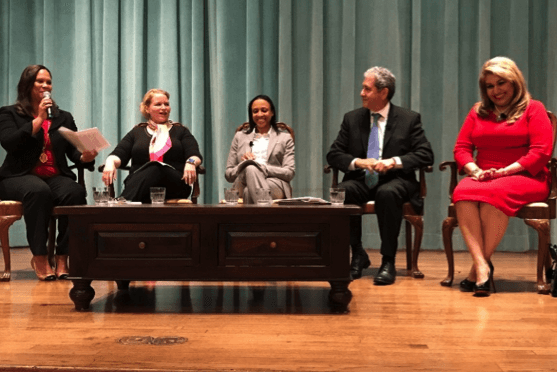 As we enter 2018 with eager anticipation, it is a natural part of the transition into the new year to establish personal and career resolutions. Many business leaders consider ways to refresh the strategy for their organizations seeking to answer questions such as “How can my team help our organization achieve its goals with a greater impact?”
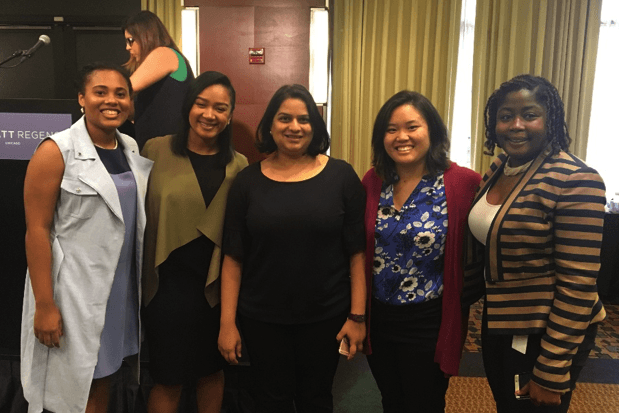 Finally, Capgemini enhanced our Women’s Leadership Development Program (WLDP) to ensure a positive impact on the development of our women leaders. As a three-month program designed to provide training, mentoring, career objective-setting, and coaching for women in North America, WLDP is a signature program of the company’s talent development initiatives.
 I have been a fan of
 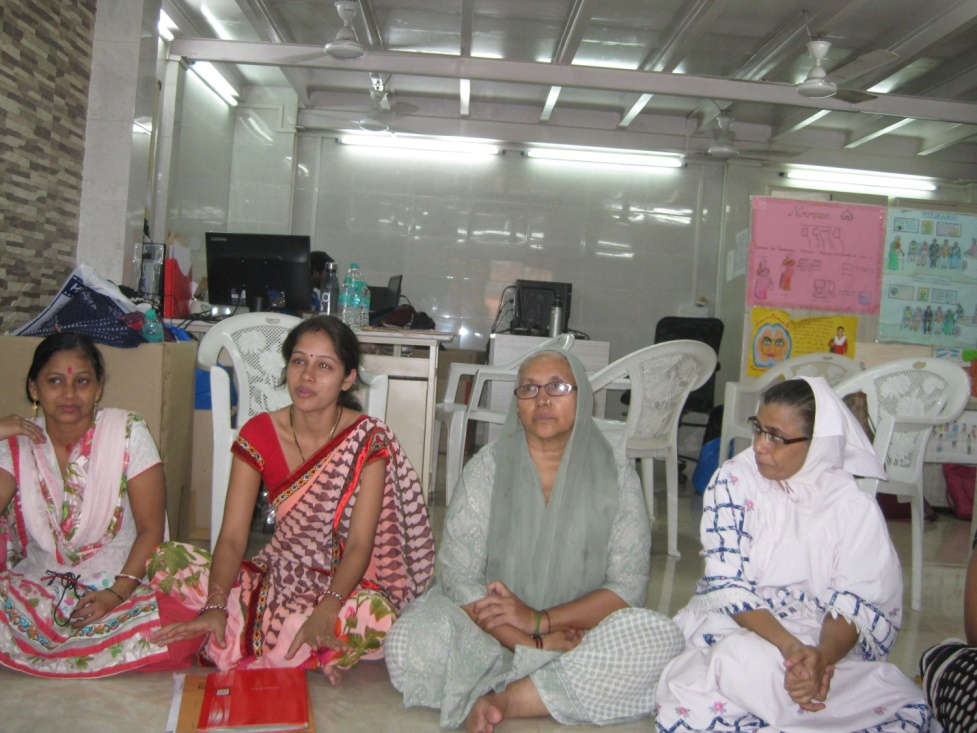 With our cell phones actively participating in locating the office, along with the skills of our car service driver, we arrived after lunch on November 14, 2017. About 12 women artisans were gathered together along with some staff -- they greeted us with a special handmade mandala on the floor, and after a candle lighting ceremony, they sang us a song that they had written.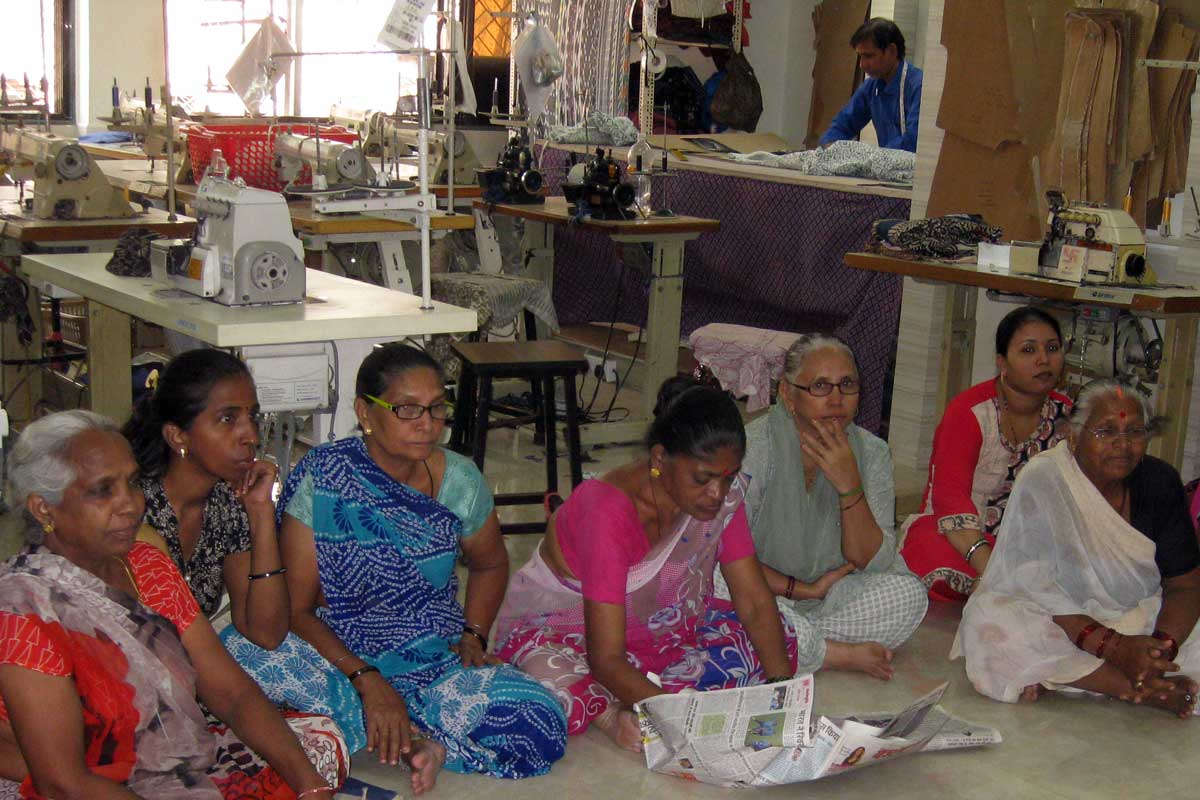

 We all have heard it, women earn about 20 percent less than men. But when, how, and why does the gap emerge? Everyone has an opinion on it, and these opinions range widely – which leads to many
  Another expensive “choice” women make is motherhood. Women are more likely to
  In a meeting with the Congressional Black Caucus earlier in October, Facebook’s Chief Operating Officer,
  My colleagues Vicki Kramer, Allison Konrad, and I interviewed 50 women directors, 12 CEOs (nine male), and seven corporate secretaries at Fortune 1000 companies. We found that
 I applaud the strength and solidarity of the women (and men, too) who are asserting with the hashtag
  We must remember it is not only Hollywood producers who sexually assault and not only young actors who are the victims. The rapists and perpetrators of sexual assault include:
 The Supreme Court of India
  It is common knowledge that there is a link between lower levels of education and early marriage. The
  Nandita Dutta is deputy manager at the
  Since 1981, the United Nations has observed International Day of Peace on September 21. In its resolution, the UN marked the day as a “
 WILPF has been one of many women’s peace organizations who successfully lobbied the UN Security Council to recognize, in Resolution 1325 (
 It’s back-to-school time and families, youth, and educators must adjust their schedules for another school year. In the midst of the forms and information families receive – or that get “lost” in a child’s backpack or locker – you may have heard something about a
  From my desk at NIOST, I’m starting the school year by working at the national, state, and local levels to support educators and administrators in their efforts to promote positive youth outcomes, especially in the expanding field of SEL. Specifically, I am researching the SEL programs that states are currently adopting in preparation for our forthcoming workshop for out-of-school time (OST) leaders on how to integrate these practices into school-age child care or other OST settings. As I do this work, my background as a former school committee member and education advocate means I can’t resist passing along the newest SEL information that comes across my desk to the regional school administrators in my community who are convening the SEL planning discussions for local schools.
 Friday, September 8, is
 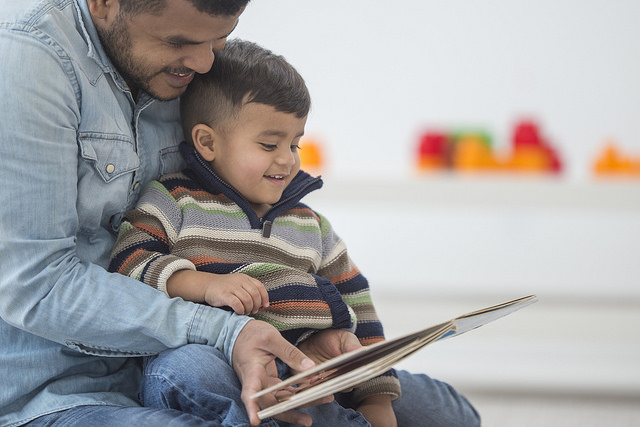 and sharing books begins at birth. Try to read aloud to your baby every day! With the very young infant you may look at only one page of a book- in time, you can look together at two or more. Turning the pages, labeling pictures and describing what is happening on the page all lead to vocabulary and grammar development. Reading to your baby also predicts their early reading and writing skills! Cuddling together to read and share books is a very pleasant experience for both the infant and you! These very early enjoyable experiences can lead to a life-long love of reading. When there are plenty of books available, an infant may even try to look at the pictures in books on her/his own. And, remember your local library is a good source of books for your infant.
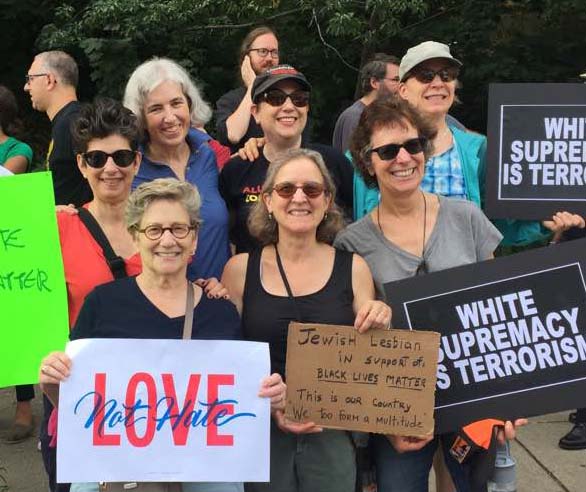
 How did this turnaround happen? I’m glad of it, but I don’t know. Some of the people I talked to theorized about a better-educated population, a two-term black president, more understanding and acceptance of LGBTQ people and other nonmainstream folk—and even the experience of the 1970s, from which at least some white people in Boston concluded that the anger, fear, and hatred that they directed toward people of color caused only misery and destruction—not only to others but even to themselves.
 As a developmental psychologist who works from an

 Likewise, we worry about teens that exhibit signs of suicide. Sometimes these signs are subtle, such as giving away prized possessions, withdrawing from friends, or exhibiting significant behavioral changes, such as intense fights with family and friends. Teens thinking about suicide may also provide verbal cues, such as, “I wish I were dead” and “It’s not worth it anymore.” Also, many people who contemplate suicide do so because they believe they are a burden to others, and that they will be doing others a favor if they are no longer here. Thus, if you hear a teen say, “My family would be better off without me,” it is important to take action. Remember that 50-70 percent of people who make a suicide attempt communicate their intent prior to acting, mostly through such actions or verbal cues. Thus, if you recognize any of these signs, it is important to ASK. Although many of us find it scary to ask about suicide, or worry that asking about suicide will give someone the idea to attempt suicide, we know from numerous studies that talking about suicide will not lead to suicidal behavior.
 It’s
It’s 

 Victims of Domestic Violence Often Face Housing Problems
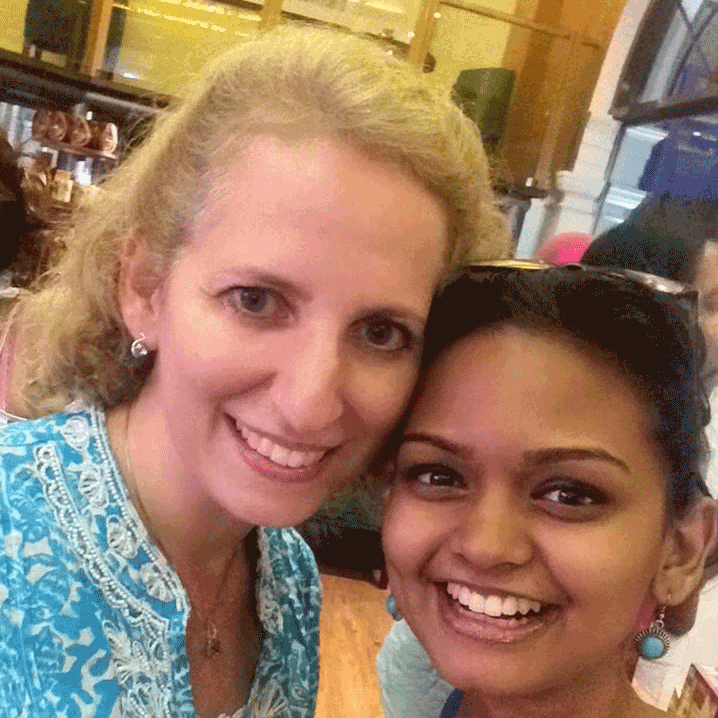 Mentorship was the reason I came to Wellesley College, all the way across the globe from Sri Lanka. Back in 2013 on the day of the United Nations’

 It’s one thing to teach kids to say “thank you” when they receive a gift or when someone does a favor for them. But how can we help children understand what
  In partnership with the Greater Good Science Center and the John Templeton Foundation,
  Transitional age youth, those who are leaving state systems of care, are one of our most vulnerable populations of children. Each year in the United States, about 23,000 young people age out of foster care,
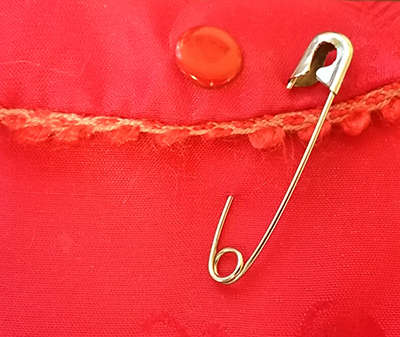 I wrote these thoughts as a white, upper-middle-class, able-bodied, heterosexual, secular humanist woman, with the primary goal of connecting more deeply with other white people and being open to all other intersections. I was deeply impacted by and must honor this writer of color--Isobel Debrujah’s “
 CALLING IN WITH LOVING ACCOUNTABILITY:
 I love the people in my life who push me to be better. I owe much gratitude for this piece to Mirah Anti, Jorge Zeballos, Pat Savage-Williams, Andrea Johnson, Donald Burroughs, Matthew Biecker, Ashley Tuzicka Ray, and Jamie Utt.
 The biggest gift I can offer at this time is empathy – to those whose hopes were shattered, to those whose anger, pain, and frustration led us in this surprising direction, and to those who are just plain terrified right now, especially the little ones and the youth. Clearly, we are a country of different realities, and we need to find common ground. I remind myself of my own mantra, “All of us are sacred.” As Thich Nhat Hanh taught me, I breathe in, breathe out, and utilize the present moment as a place of refuge.
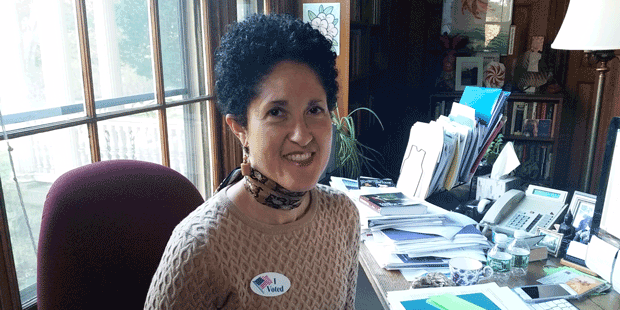 Since voting this morning, all I have been able to think about is the next four years. Without even knowing yet who is going to win, my mind has already jumped ahead. What do we want the next four years to be like? What can we do to make them be the way we want them to be? The negativity of the last 18 months has been excruciating, and I know it doesn’t represent the best of who we are. I want better for all of us!
 I’m starting with a post-election community unity block party in my neighborhood. I’m inviting the people I see every day – and a few I’ve yet to see, since I’m new to my neighborhood – to my home for an evening of fellowship and food with my family. I’ve let everyone know that it doesn’t matter how you voted, where you worship, whom you love, or where you come from – I just want us to come together in the spirit of friendship and community. My hope is that we will affirm each other as neighbors, discover through conversation the wonders of our diversity, and deepen our sense of connection, concern, and shared destiny. Maybe you can do something like this on the block where you live, too.
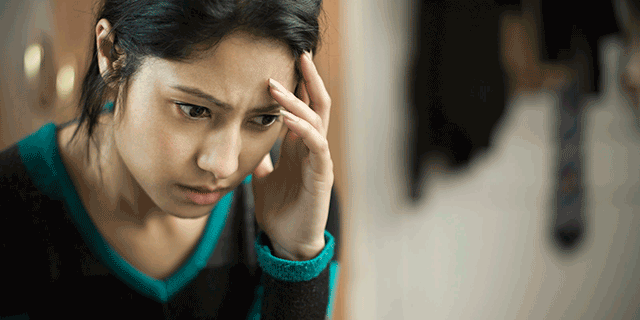 Depression is Prevalent but Prevention Programs Are Limited
 Approaches & Recommendations
 Boston After School & Beyond (BASB)
 National nonprofit organizations like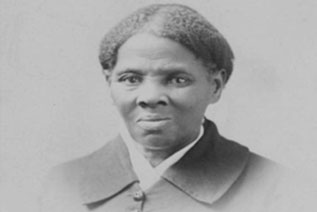
 When the U.S. Department of the Treasury announced two years ago that it was planning to put a woman on the $10 bill, I voted for Harriet Tubman every chance I got. I was privileged to participate in an invitation-only phone call of women leaders with representatives from the Treasury Department, and I also voted online as an “ordinary citizen.” And I unapologetically urged my friends on social media to do the same. So, when the
  Admittedly, if I had a private audience with Secretary Lew, I would suggest the inclusion of some notable Americans of Asian, Latin, Middle Eastern, Native American, and Pacific Islander descent in addition to the very welcome inclusion of African Americans on the new bills--and I might even suggest that he replace the image of slaveholder President Andrew Jackson (after whom my hometown, Jacksonville, Florida, is named, incidentally) with these diverse Americans, since he has (too) long had his day in the sun. I can only hope that this is the plan for the $50 and $100 bills!



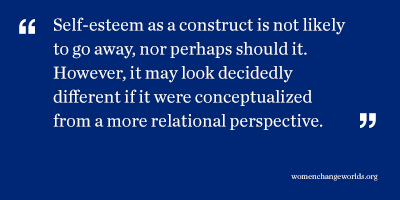 I could not help but be reminded of something that my grandmother Donnie would say to young people in our family. If anyone one of us dared to violate her standards of good grooming or “respectable” behavior, she would say: “Don’t go out acting like you don’t have people.” At the time, her counsel was little more than an irritation. “Having people” could mean anything from representing your family by working hard in school to properly ironing a ruffled blouse. It’s a safe bet that my grandmother never heard of Maslow, and I’m guessing she lived the better part of eight decades without ever using the words “self-esteem.” She did, however, know a lot about respect, reverence, and dignity. What we now call self-esteem is what my grandmother expressed as self and other--awareness. Her version of self-esteem was awareness of connection to community. Further, it meant appreciation for the care that community bestows, and an obligation to represent that care in the world and to the world. Put plainly the lesson was this: how you go out into the world is not just your private business; your behavior reflects on and has consequences for the communities from which you come.
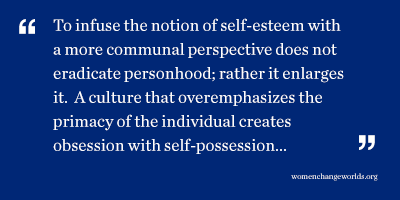 One of the foundational tenets of Relational-Cultural Theory is that the purpose of being in relationship. Having a sense of agency then is to claim our responsibility as co-creators of human possibility. I can think of a no more telling example of this perspective than a conversation I had with a young Indonesian man a few years ago. He told me that as a member of a religious minority in his country, he knew that he had to work twice as hard to get half as far: precisely the advice that I had heard growing up in a racially stratified culture decades earlier. Interestingly, this belief did not engender defeatism or victimhood. Rather, it confirmed the obligation to community: to advance the contributions of preceding generations and to provide “uplift” for future generations. Further, it instilled confidence in our ability and obligation to make the world a little bit better for others.

 So, how do we promote and ensure quality? One major key is staff training and professional development. Since NIOST’s early role in the
 form of justice-involvement (mostly probation). However, comparisons between justice-involved and non-justice-involved women revealed few differences on demographic and other characteristics. For example, their ages, maternal status, the number of children they have, their children’s ages, and the percentage living with their children.
