


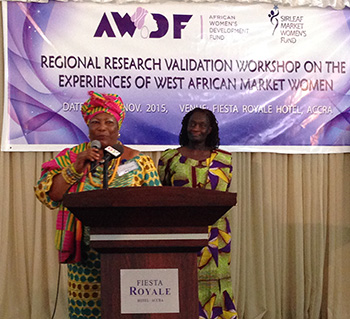
This past November, I had the opportunity to visit Ghana as a member of the international research advisory committee for a study on West African market women that was sponsored by the African Women’s Development Fund, Ford | West Africa, and the Sirleaf Market Women’s Fund (full disclosure: I’m a member of the SMWF board). This sweeping study, in which over 500 women from four Anglophone countries--Ghana, Liberia, Nigeria, and Sierra Leone--were interviewed, was the first ever to examine market women’s contributions to economic and social development in West Africa, particularly from the perspective of the market women themselves. Five researchers--a coordinating lead researcher, Dr. Comfort Lamptey, plus one researcher for each country--collected and analyzed the data, and we were convening in Ghana for a validation workshop to which national government officials, UN operatives, NGO leaders, funders, and market women leaders had been invited to discuss the results and formulate next steps.
Market women--those everyday traders who sell foodstuffs and other necessities in local open markets--are a force to be reckoned with in their respective countries. Yet, their voices, concerns, and ideas have often been ignored because they are considered economically and socially marginal due to their location in the informal sector and the fact that many continue to live at subsistence level. Nevertheless, as our study showed, market women make up approximately 80 percent of the women working in the informal sector in their societies, and, without them, their countries couldn’t function. They are the ones responsible for moving crops and livestock from farm to market and for basic processing of foods most frequently used. Whether rice or corn, yam or cassava, plantains or peppers, pineapples or papayas, sugar cane or palm oil, greens or groundnuts, goat, chicken, or fish--they are the ones who bring it to market and sell. One thing we agreed on at this conference is that no longer should these women be referred to as “petty traders,” because there is nothing petty about what they do!
In fact, our study revealed that market women play a major role in human capital development in their respective nations because, after feeding their families, their major economic expense is paying school fees for their children--and often for the children of others, such as extended family members. In our study, there were market women paying school fees for up to 13 children; an average was four or five. Often, these women also generously take care of neglected or orphaned children in their communities, even on their subsistence-level budgets. Market women are committed to education, and many have put children not only through primary sch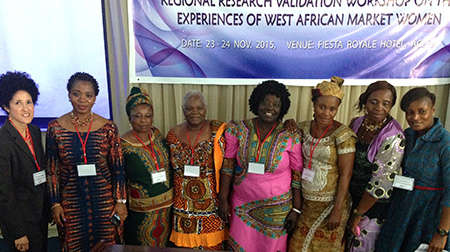 Layli Maparyan with the Delegation from Liberia.ool, but also secondary school and university. Some can claim heads of state, government ministers, lawyers, doctors, nurses, professors, and corporate executives among those they have educated. In fact, the head of Ford | West Africa expressed that he was in part inspired to fund this study because his own mother was a market woman. Even President Ellen Johnson Sirleaf of Liberia, Africa’s first democratically elected woman head of state, after whom the Sirleaf Market Women’s Fund is named, is the grand-daughter of a market woman. Almost everyone in West Africa--or anyone from West Africa, living in the diaspora--is related or connected to a market woman.
Although our study was able to identify the fact that market women contribute significantly to the gross domestic product (GDP) of their respective nations, further detailed study of their contributions to GDP by economists would be the next logical follow-up. Such data would provide leverage for convincing governments to earmark budgetary lines for market women. Market women have many needs, from infrastructural improvements to their markets (such as better stalls, improved storage and security, and improved water and sanitation), to financial literacy and business skills training (which will enable them to better engage formal sector institutions), to basic literacy programs (our study found that most market women have only completed primary school or less), to child care and early education schemes for their children, to family leave policies and maternal care provisions that will provide flexibility and support when they are pregnant or lactating. These are the needs that were identified by the market women themselves in our study. Although some foundations, multi- or bi-laterals, and NGOs address these needs quite valiantly, they would be most comprehensively and reliably addressed if governments became involved, creating relevant policies, contributing dedicated funds, and coordinating multi-sectoral efforts so that duplication is avoided. More detailed research about the economic impact of market women could show governments that investing in market women isn’t just the right thing to do for the women themselves, but it is also a profitable economic investment for each nation respectively, particularly as many struggle to move from low-income to middle-income economic designations.
In the study and from the floor, the market women expressed the need to strengthen their national  market women organizations, with a special focus on gender parity in leadership. Although women are, by far, the largest proportion of marketers and traders, often it is the few men who are afforded positions of leadership that allow them to engage with policymakers. The market women who participated in our study would like to see women’s voices rise to the top and for women’s leadership to be recognized with top-level posts. Additionally, they indicated that the time might be right for a West Africa-wide market women’s organization that allowed market women from different countries to network, share best practices, and shape policy that affects them. Many touted the Sirleaf Market Women’s Fund as a good example of a multi-constituency organization that has raised the visibility of market women’s issues at the same time as it has brought different stakeholders together for a common cause, and they imagined this model growing from its roots in Liberia to other countries. Additionally, the pivotal roles of the African Women’s Development Fund, UN Women, and Ford, all of which have provided funding for market women’s issues and related actions, were lauded as model donors.
One extremely interesting and exciting development from the floor was the suggestion that market women should and would like to take more responsibility for data collection about themselves. Many market women expressed “research fatigue”--an exhaustion with “outsider” researchers who “come in, collect data on us, write books about us, don’t call us back, and don’t do anything to help us.” Fortunately, the whole purpose of the validation workshop was to present the findings to the market women, determine whether they rang true with market women, and engage in conversations about the way forward with market women as equal partners at the table with other stakeholders. At the workshop, all of us discussed ways that data and research could be maximized for the benefit of market women, including how to collect data in ways that avoid duplication and how to bring market women into the process as researchers. It is market women who know best what is important to their lives and their businesses, yet the ability of researchers from different sectors (academia, government, multilaterals, NGOs, CBOs, and funders) to converse together enriches the larger effort.
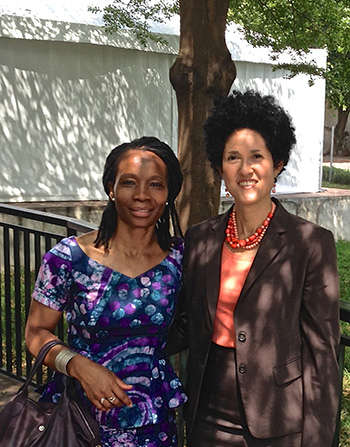 Dr. Comfort Lamptey and Layli MaparyanMy own horse in this race has to do with making sure that women all over the world have equal access to good research that affects their lives. At the Wellesley Centers for Women, we have prioritized raising the banner of research in important conversations and working with women- and gender-focused research organizations around the world to increase capacity, where needed, and to partner as equals wherever possible. We have so much to learn from each other; but, more importantly, the world’s policymakers need more and better information about women’s lives that is informed by women themselves. Whether it is creating more opportunities for women to become researchers, or making sure there are enough women- and gender-focused research organization around the world, or making sure that data generated by and about women gets utilized in all the right places, or making sure that everyday people who aren’t researchers have the research literacy to interpret research findings critically, we believe that research is a human right and that access to data advances human rights. So, on this Human Rights Day, we are glad to be part of the cause!
Layli Maparyan, Ph.D., is the Katherine Stone Kaufmann '67 executive director of the Wellesley Centers for Women and Professor of Africana Studies at Wellesley College.
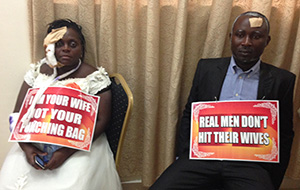 One conundrum that was discussed is the fact gender-based violence statistics have gone up in recent years in Ghana, begging the question of whether domestic violence really is on the rise or, alternately, whether the new law has merely increased reporting of incidents due to society-wide sensitization. Although both factors may be at play, there was general agreement that the law was a necessary intervention on an unacceptable situation--broad scale gender-based violence in Ghana. (Of course, lest anyone single Ghana out, the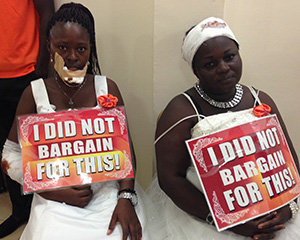
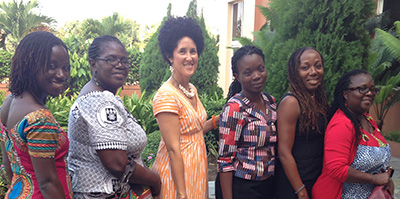
 data, convened a group of stakeholders to write new policy, and shepherded the draft policy through the national legislative process while simultaneously engaging in public education so that the government and the people were in it together. They needed to piece together support from many sources over many years to make this happen. Many others who also cared passionately about ending gender-based violence worked with them or supported this work. Now, as Ghana looks ahead the tenth anniversary of its landmark domestic violence legislation, the country can claim many accomplishments. These include the expansion of its judiciary system to address gender-based violence, a sensitized police force that includes a domestic violence unit, and the leadership of its Ministry of Gender, Children, and Social Protection. It also includes increased awareness of groups with special vulnerabilities (such as people with disabilities), and the education and sensitization efforts of numerous NGOs like WiLDAF and academic institutes like CEGENSA. All of these actors are vigorously working together to make sure that the country as a whole is moving in the same direction--away from gender-based violence and towards peace and security for women. Other countries can learn from Ghana --and other countries can increase the link between research and action to end gender-based violence.

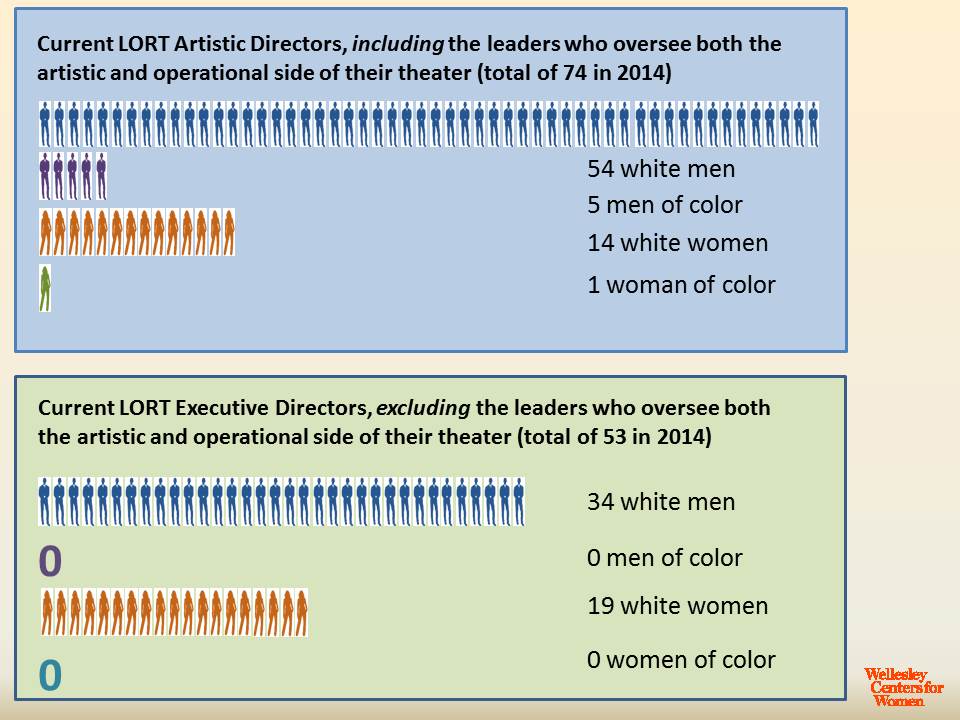
 A word of caution: To conclude that the main problem is a pipeline issue and over time more women and people of color will become viable candidates is an incomplete diagnosis of the problem, and an excuse. It dismisses the large numbers of producers and directors who are well prepared and eager to take on artistic director positions. In addition to the pipeline, there is just as profound a glass ceiling that can be broken with a change in mindset among those who make hiring decisions. Here are some action points for hiring committees about selecting ADs:
 Beatrice’s education. As a result, Beatrice made it all the way to
  Recently, Beatrice updated us about her activities, which have grown to support the communities where she works in even broader ways. In addition to a library/community center in Amor Village, which was her project under IREX, she has now started a school complex in Tororo village that already includes a primary school and will grow to include a nursery school, a secondary school, and a vocational education center. Twenty-seven of the mentees who started with PCEF/RGCM at the beginning of secondary school are now pursuing university education. About half of them are studying to become teachers, but the others are pursing fields as diverse as accounting and finance, adult education, economics, motor mechanics, clinical medicine, nursing, human resource management, and wildlife management. Finally, Beatrice is mobilizing donors to purchase solar panels for the families in her network so that they can stop using kerosene lamps. She just thinks of everything!

 responding to and addressing such backlogs, including policies and protocols for notifying and involving victims. States and local jurisdictions have also been responding by implementing backlog reduction legislation or initiatives.
 director of the Women’s Law Project, who was honored by the
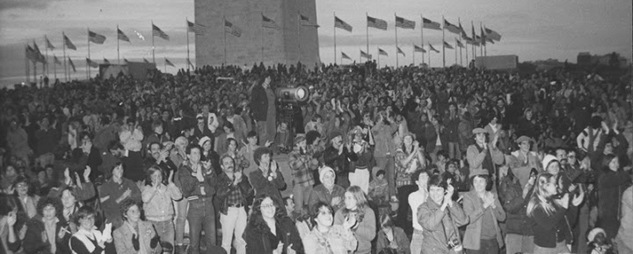
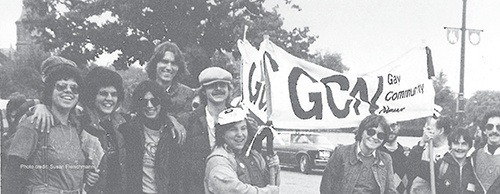 Thirty-six years later, the social status of LGBT people has changed enormously. Few LGBT people in Montana, say, would worry that a march in Washington, DC, would cause them to be set upon by an angry mob. In liberal Massachusetts, my employer, my neighbors, and my doctor all know I’m a lesbian. I’ve been married to my partner of 27 years since 2003—and my entire family came to our wedding. Since the Supreme Court’s Obergefell decision in June, my marriage is recognized by the federal government as well as that of my state. I can watch many television shows and movies in which LGBT characters make it through the entire plot without killing themselves. I can kiss my wife goodbye on the front steps when I leave for work in the morning without worrying (too much) that we’ll be beaten or shot.
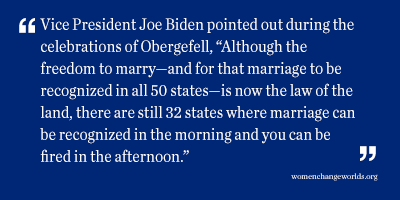 Still, as
 Everyone Needs to STOP the Pain!
 The obvious forms of social pain are glaringly obvious, often flagrant and extreme. Black men and women being stopped by police, detained or harassed, and imprisoned at sweepingly disproportionate rates compared to White people; too often resulting in violence and even murder.
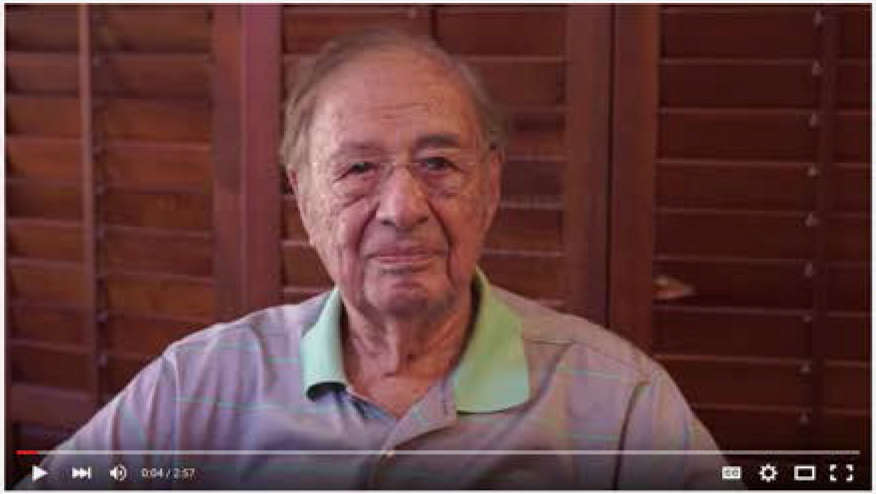 Over the summer, Alan visited us here at the Wellesley Centers for Women, and here’s what he had to say about Maggie>>
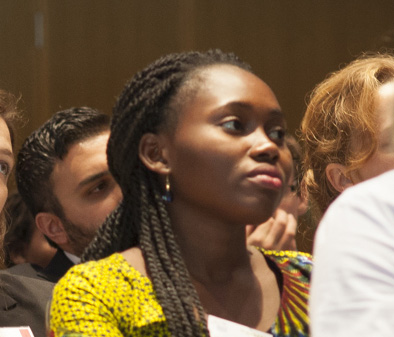
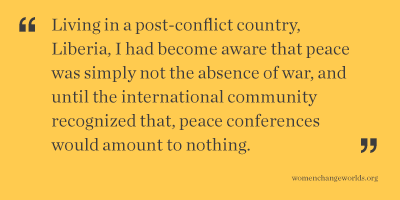 The three-day conference was full of conversations and speeches by professors, politicians, lawyers, and students from around the world and it helped further shape my ideas about peace and how, instead of been skeptical, I can contribute to achieving world peace. It wasn’t merely these conversations or speeches that shaped my thinking, but mostly by being a part this global community I had the opportunity to use my voice--and the voices of other participants--to rally behind a common good. The conference exposed me to a lot of factors undermining peace around the world as well as possible solutions to tackle them. It brought me face to face with other young people from around the world who had similar experiences as mine but who had examples of proven and possible solutions for peacebuilding. One of those participants was a Canadian law student, originally from Rwanda, who became an immigrant at a tender age because of the genocide in her country. She stressed her idea that peace is possible but only if we focus our efforts on changing international humanitarian laws.

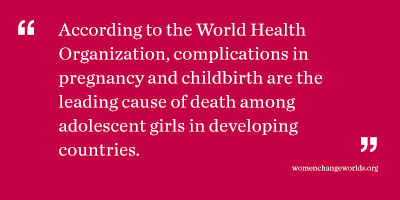 services to women and girls who need them. What our clinic staff has seen firsthand is that blocking access to abortion and comprehensive reproductive health care doesn’t stop them from being needed, or even stop them from happening — it just keeps them from being safe. Due in large part to extensive abortion bans throughout the region, 95% of abortions in Latin America are performed in unsafe conditions that threaten the health and lives of women.
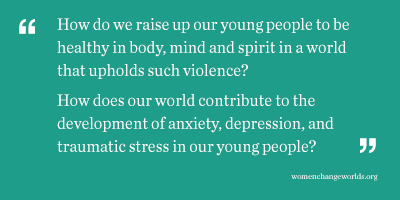 Although these are all big questions, I have at least learned a few things over the years through my
  Lisa Fortuna
 My academic and teaching interests lie at the intersection of culture, computation, community, and cognition--I like to think about how technology can support learning in community and public settings. In my
  Robbin Chapman

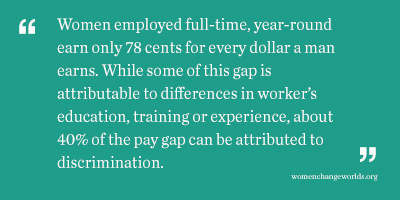 Service occupations, such as maids and housekeeping cleaners, personal care aides and child care workers, are the lowest paid of all broad occupational categories. This disproportionately affects the earnings of
 Dr. Hardisty had served on the Board of Directors of the Highlander Center for Research and Education, the Ms. Foundation, the Center for Community Change, and the Center for Women Policy Studies, among others. Her book, Mobilizing Resentment: Conservative Resurgence from the John Birch Society to the Promise Keepers, was first published by Beacon Press in 1999. Some of her WCW-related
  In the mid-1970s, Stanford-based psychologist
 Championship, was confused when he arrived on campus. His
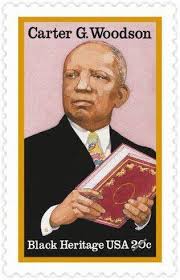 ck History Month, which began as Negro History Week in 1926. He was an erudite and meticulous scholar who obtained his B.Litt. from Berea College, his M.A. from the University of Chicago, and his doctorate from Harvard University at a time when the pursuit of higher education was extremely fraught for African Americans. Because he made it his mission to collect, compile, and distribute historical data about Black people in America, I like to call him “the original #BlackLivesMatter guy.” His self-declared dual mission was to make sure the African-Americans knew their history and to insure the place of Black history in mainstream U.S. history. This was long before Black history was considered relevant, even thinkable, by most white scholars and the white academy. In fact, he writes in the preface of The Negro in Our History that he penned the book for schoolteachers so that Black history could be taught in schools—and this, just in time for the opening of Washington High School.
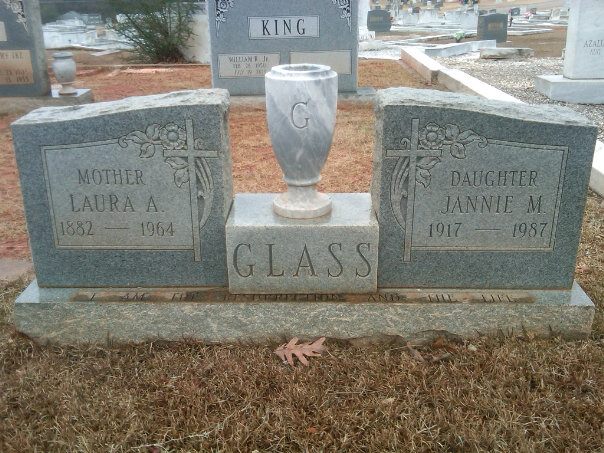
 women. It enlivens my curiosity to imagine my grandmother Jannie as a young woman learning in school about her own history from Carter G. Woodson’s text, which, at that time was still relatively new, alongside anything else she might have been learning. It saddens me to reflect on the fact that my own post-desegregation high school education, AP History and all, offered no such in-depth overview of Black history, African American or African.
 After finishing high school, my grandmother Jannie, like many of her generation, worked as a domestic for many years. However, after spending time working in the home of a doctor, she was encouraged and went on to become a licensed practical nurse (LPN), which took two more years of night school. From that point until her death, she worked as a private nurse to aging wealthy Atlantans. This enabled her to make a good, albeit humble, livelihood for herself and her two daughters, along with my great grandmother Laura, who lived with her and served as her primary source of childcare, particularly after her brief marriage to my grandfather, an older man who she found to be overbearing, ended. With this livelihood, she was able to put both her daughters through Spelman College, the nation’s leading African American women’s college, then and now. It stands as a point of pride to our whole family that, although she was unable to attend due to family responsibilities, Jannie herself was also at one time admitted to
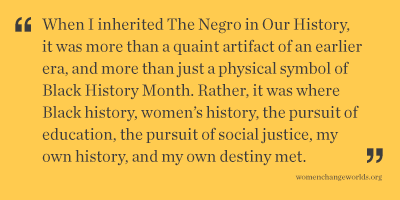
  ge. Sadly, she didn’t live to see me attain my Ph.D., but, when she passed away, I was already pursuing my Masters degree, and, like her, I was also mother to a second child. Thus, when I inherited The Negro in Our History, it was more than a quaint artifact of an earlier era, and more than just a physical symbol of Black History Month. Rather, it was where Black history, women’s history, the pursuit of education, the pursuit of social justice, my own history, and my own destiny met.

 So dopamine itself is not the problem, nor is the dopamine reward system. Dopamine is simply the carrot on a stick designed to give a reward to life-sustaining activities like eating healthy food, having sex, drinking water, and being held in nurturing relationships so that you would keep doing these healthy things over and over again. The problem is how we stimulate the dopamine pathway. In an ideal world—one that understands the centrality of healthy relationship to health and wellness—the dopamine reward system stays connected to human connection as the primary source of stimulation. Unfortunately, we do not live in this ideal world. We live in a culture that actively undermines this precious dopamine-relationship connection. We raise children to stand on their own two feet while the separate self is an American icon of maturity. It is making us sick.
 Deep in my brain, the area in the prefrontal cortex that plans and executes the physical movement of walking out the door is being stimulated. Though I am not moving, the same nerve cells are firing. When you touch the door and pull your hand away quickly and shake it a little I “know” that the door was quite hot from the pounding sunshine on the glass. My somatosensory cortex that creates sensations fires and my hand feels a low-grade sense of heat and smoothness from the window window. That is added to the immediate mix of how I am reading your experience. And finally, you walk through the door and a large smile crosses your face as you fall into the arms of a loved one. In my brain and body the nerve signal has now traveled through the insula into my “feeling centers” in my body and I feel a similar joy and lightness. I “know” you are with someone you love. All of this has happened in the blink of an eye and without you sharing any of your experience with me. My brain and body uses itself as a template to have a shared experience with you and the closer our life experiences internally have been, the more resonant we feel.
 The story of
  I was many things at ten years old, but one thing I wasn't was accepted. My family moved to a new town that summer—it was 1972—and on the first day of school when the school bell rang I stood in the middle of the girls’ line anxiously waiting to meet my new classmates. As I was studying my shoes I heard the laughter and the whispering, “What is that new boy doing in the girls line!” They were talking about me, well-dressed in boys clothing. I was humiliated, filled with shame, desperate to go back to my old school where people knew and accepted me. It was a long year of pain, accentuated by my teacher who routinely tried to force me to join the Girl Scouts.
 This is where the story gets really interesting. The area that lit up when a subject was excluded is a strip of brain called the
 killers flood your system buffering the pain. Neither of these reactions are under your conscious control. You are automatically protected.
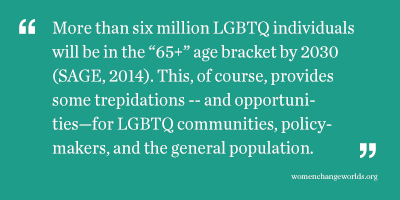 In the last couple of years, more research has surfaced regarding LGBTQ elderly people, which provides a sobering look at their attitudes and thoughts about aging. The first and obvious concern is aging in a society and community that places a high value on youth, leaving the elderly feeling useless and insignificant (Fox, 2007). This is both within the LGBTQ communities and in the general population. Ageism is pervasive in the U.S.
 Vita Sackville-West

 It’s important to talk with teens before they have sex. Research tells us that it is critical for teens to learn about sexual issues from a trusted adult before they have sex.
 capital. It was witnessing homelessness in her city that inspired her to figure out how she and her family could make a real difference, and her “power of half” principle has since become a movement.
 human nervous system is literally wired to function best when in
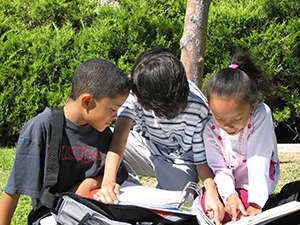
 academic success for students who have experienced early adversity and what classroom and therapeutic supports are most helpful for bolstering learning. Special education services for these students are provided by licensed teachers, dedicated and knowledgeable staff who have been trained in evidence-based approaches for PTSD treatment. Psychologists and educators are learning more about the elasticity of the brain and about efficacy for certain strength-based mental health supports, such as Cognitive Behavioral Therapy. Yet, there is much research to be done to understand how exactly these early traumatic experiences influence brain development and cognitive processes. In our initial collaborative investigation, presented at the

 Treating youth depression once it emerges may be much more distressing, and much less effective, than identifying early symptoms of illness and treating them before they develop into a full-blown disorder. Prevention approaches have the potential to reach a large number of adolescents, and may be more acceptable than treatment because services can be rendered in non-clinical settings (e.g., schools, primary care settings), and do not require adolescents to identify themselves as ill.
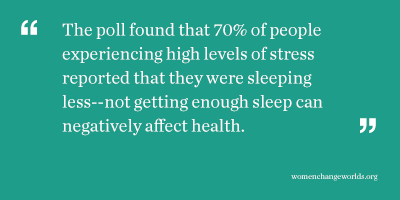 wear away at our health and wellbeing. The NPR poll found that individuals with a chronic illness were more likely to report high stress in the previous month (36% compared to 26% overall), as were individuals living in poverty (36%) and single parents (35%). These chronic stressors tax our abilities to cope with stress. For those individuals with high levels of stress, problems with finances was one of the main sources of stress, and this was especially true for those


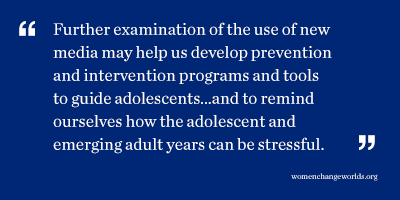 Media coverage about social media has not been kind—often linking its use with cyberbullying, sexual predators, and depression or loneliness. But recent scholarship on new media demonstrates that interpersonal communication, online and offline, plays a vital role in integrating people into their communities by helping them build support, maintain ties, and promote trust. Social media is often used to escape from the pressures of life and alter moods, to secure an audience for self-disclosures, and to widen social networks and increase social capital. The
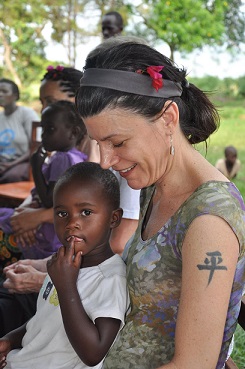 Jen Dirga
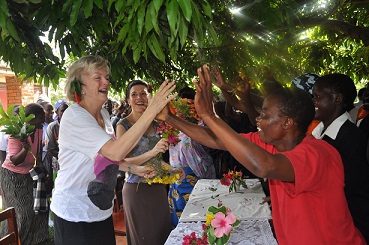 Sallie Dunning
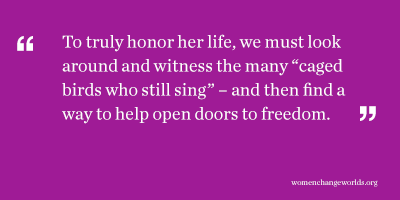 As an integral creative spirit within the Black Arts Movement of the late 1960s and early 1970s, Dr. Angelou’s works of autobiography then poetry helped lay the foundation for Black women’s literature and literary studies, as well as Black feminist and womanist activism today. By laying bare her story, she made it possible to talk publicly and politically about many women’s issues that we now address through organized social movements – rape, incest, child sexual abuse, commercial sexual exploitation, domestic violence, and intimate partner violence. Through the acknowledgement of lesbianism in her writings as well as her public friendship with Black gay writer and activist James Baldwin, she helped shift America’s ability to envision and enact civil rights advances for the LGBTQ community. And the time she spent in Ghana during the early 1960s (where she met W.E.B. DuBois and made friends with Malcolm X, among others), helped Americans of all colors draw connections between the civil rights and Black Power movements in the U.S. and the decolonial independence and Pan-African movements of Africa and the diaspora.
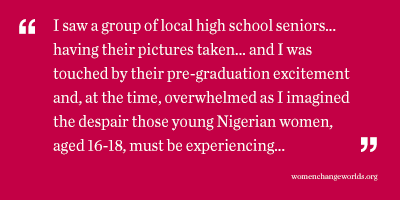




 In Mississippi, advocacy for low-income women and children tends to occur only in the non-profit and non-governmental sectors, which are both relatively under-resourced in comparison with other states. No adequately powerful counter-voice exists to offset the public tone of hostility toward low-income women. Further, conscious and sub-conscious racism is so entrenched in Mississippi that even policies that would appear to address racial discrimination turn out to have no impact. Mississippi could be said to be “Ground Zero” for structural racism. So intractable is this form of racism at all class levels that the elimination of
 The Commission also stated that the post-2015 development agenda must include gender-specific targets across other development goals, strategies, and objectives -- especially those related to education, health, economic justice, and the environment. It also called on governments to address the discriminatory social norms and practices that foster gender inequality, including early and forced marriage and other forms of violence against women and girls, and to strengthen accountability mechanisms for women's human rights.
 In my hometown, I see evidence that women are emerging as confident, enthusiastic leaders of technology. Recently, I was at a public meeting for a community group planning the inaugural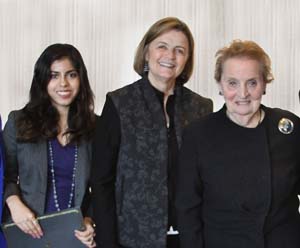
 At the
  Yet just because women weren’t holding high-profile leadership positions on campus didn’t mean that they weren’t contributing to campus life. The committee also found that women were more likely to “hold behind-the-scenes positions or seek to make a difference outside of elected office in campus groups.” Women at Princeton, for example, were often engaged in cause-based issues, like spearheading campaigns to institute recycling across campus.
 Second, the PPLA explores ways to do teaching and research that is driven by our values. We focus on the kinds of leadership and collective capacity we need to meet the common challenges our society face in a just way. We insist upon rigor and methodological soundness in our work, but we cannot separate moral and ethical considerations from our research and writing. Many scholars believe that our values suffuse our classrooms, laboratories, articles, and books whether we recognize and foreground them or not. The Project on Public Leadership seeks ways to affirm and support explicitly values-driven work.

 s a precursor to teen dating violence. Schools—where most young people meet, hang out, and develop patterns of social interactions—may be training grounds for domestic violence because behaviors conducted in public may provide license to proceed in private.
 But how do recruiters on the front-end value a varsity credential? Does sports participation in college, for example, offer access to enter a corporate career?

 Utilizing such “rape myths” like the need for well-lit streets and women’s ability to walk safely perfectly illustrates Haugen’s limited understanding of sexual violence:

 one of the few surviving ‘Kinder.’ It was a somber occasion, both a tribute to the courage of those who survived and the generosity of the (mostly non-Jewish) families that took these children into their homes and raised them.
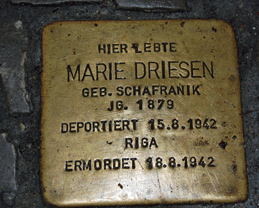 A week before my trip she informed me a Stolperstein for Marie Driesen was already in place, and that its installation had been arranged by a current owner of an apartment at the Schoeneberg address. Two weeks later my husband and I were warmly greeted by Hannelore and the owner, Baerbel. We looked at the Stolperstein in the sidewalk, and then sat at a table in Baerbel’s apartment and talked. We learned that around 1938, 37-39 Belziger Strasse had been designated as a Jewish building. This meant that all Jewish residents in the building were forced to take in other Jews as lodgers, and Jews from other buildings were forced to move into the apartments; measures that made it easier for them to be rounded up later. Baerbel, a retired geologist, had worked tirelessly to obtain documents on the 22 Jewish residents taken from that building, and she had a huge binder with files on each one. But she went further; she asked the 52 current residents to contribute to the cost of installing Stolperstein for them. Not a single person refused, and the installation had been filmed by local television.
 Just because we don’t all work for social change organizations, however, doesn’t mean there aren’t major ways we can make each a difference. What do you care about? What change would you like to see in the world? As great and necessary as organizations are in the social change equation, they are not the end-all and be-all. Individuals and small groups, even when they are working for change outside formal organizations, can make a monumental difference in outcomes for many through partnering, advocacy, endorsement, and financial support. As
